The Wilmington NC Home Inspection: What Coastal Buyers Should Actually Watch For in 2026
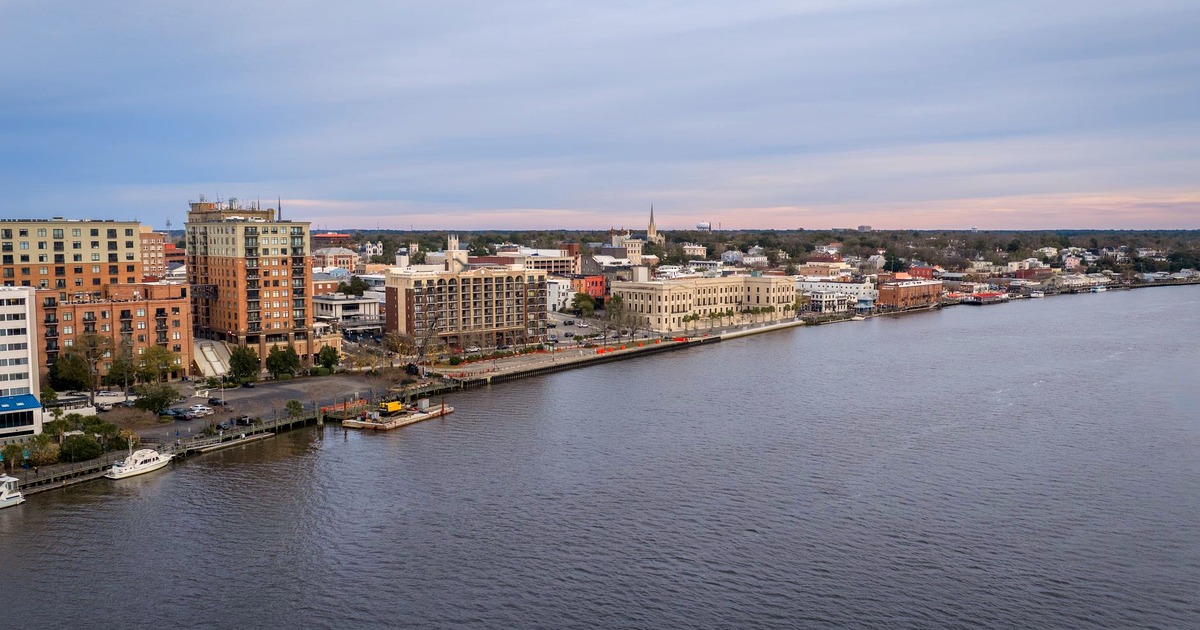
Buying a home in Wilmington, NC, means dealing with unique coastal challenges. The salt air, potential for flooding, and specific local pests like Formosan termites can all wreak havoc on a property. Here’s what you need to know about home inspections in our area.
Why Coastal NC Inspections Are Different
Coastal properties face unique challenges. Salt air can shorten the life of HVAC systems, roofing, and siding. The saline environment accelerates wear and tear, meaning you’ll want to keep a close eye on these components during an inspection. In Wilmington, where the salt breeze from the Atlantic is a constant companion, it’s not uncommon to see HVAC repair bills ranging from $1,500 to $3,000, depending on the damage. For neighborhoods like Autumn Hall, which feature newer builds, the builder-grade HVAC systems often last only 10-12 years before needing replacement.
Flooding is another concern. Wilmington’s proximity to the coast means some areas are more prone to flooding. Elevation certificates and flood zone verification are crucial. Know whether your potential home is in an X or AE zone. This can affect insurance rates and your peace of mind. In neighborhoods like Carolina Beach, being in the wrong zone can mean insurance premiums that are hundreds of dollars higher annually. For example, a home in the AE flood zone might see premiums of $2,000 annually compared to $700 for homes in the X zone.
Pests like Formosan termites are a real threat here. They’re more aggressive than your average termite. A thorough wood-destroying insect (WDI) inspection is non-negotiable. These termites have been known to cause severe damage in as little as six months, especially in older homes in the downtown historic district. The cost of a termite treatment can range from $800 to $1,500, depending on the severity of the infestation.
Older Brick Cottages vs. Newer Homes
Wilmington’s older homes in the Forest Hills or downtown areas have charm but come with their own set of issues. Check for foundation cracks and older electrical systems. Brick cottages often have aging mortar that needs inspection. Repairs to these can range from minor tuckpointing at a few hundred dollars to major structural fixes that could climb into the thousands. Homes built in the 1920s-40s in Forest Hills may still have knob-and-tube wiring, which poses a fire risk and can cost $5,000 to $10,000 to replace.
Newer builds in places like Landfall or Autumn Hall might seem worry-free, but don’t skip the inspection. Verify that modern building codes were followed and check for any signs of shortcuts in construction. Even in high-end communities, issues like improper drainage or poorly installed HVAC systems can crop up, leading to costly repairs if not caught early. Landfall homes from the 90s-2000s often have EIFS or synthetic stucco that can trap moisture, leading to wood rot. Repairing EIFS issues can cost upwards of $15,000 depending on the extent of damage.
HVAC and Roof Life Expectancy
In Wilmington, HVAC systems generally last about 10-15 years, thanks to salt air. Roofs can last 15-20 years, but high winds and hurricanes can shorten this. During your inspection, ask about the age and maintenance history of these systems. Replacement costs can be steep, with new HVAC systems running from $4,000 to $8,000 and roofs from $7,000 to $12,000, depending on materials and size. Homes in coastal areas might require wind mitigation retrofits, which can cost $2,000 to $5,000 but provide significant insurance savings over time.
Crawlspace Moisture and Encapsulation
Crawlspace moisture is a serious issue here. Encapsulation can help prevent mold and structural damage. An inspector should check for moisture levels and recommend an encapsulation system if necessary. Costs for encapsulation can vary, but expect to pay between $2,000 and $4,000 for a professional job. It’s a small price for peace of mind and the preservation of your investment. In areas prone to high groundwater levels, like near the Cape Fear River, encapsulation becomes even more critical.
Elevation Certificates and Flood Zones
Elevation certificates provide data on your home’s elevation relative to flood levels. Knowing if your home is in an X or AE zone impacts insurance and safety. Check FEMA maps and confirm with your inspector. Homes in AE zones might require additional flood insurance, which can add $500 or more to your annual costs. This is particularly relevant in areas like Masonboro Sound, where flood risk is higher.
Wind Mitigation Reports
A wind mitigation report can lower insurance costs. It documents the home’s ability to withstand wind-related damage. This is crucial in a hurricane-prone area like Wilmington. A good report can reduce premiums by 20% or more, a significant saving over time. In neighborhoods like Wrightsville Beach, where wind exposure is significant, these reports become even more essential.
The 4-Point Inspection
Insurers sometimes require a 4-point inspection. This covers HVAC, roof, plumbing, and electrical systems. It’s a way to assess the risk of insuring a property. Make sure your inspector is familiar with this process. The report can highlight potential issues that could lead to costly repairs if not addressed early. Homes in older neighborhoods, such as the downtown historic district, often reveal hidden issues like outdated plumbing behind plaster walls, which can be costly to update.
Septic vs. City Sewer
Parts of Brunswick and outer New Hanover use septic systems. These need regular inspection and maintenance. City sewer systems are less hassle, but you’ll pay for that convenience in utility fees. Septic systems require pumping every 3-5 years, costing $300 to $600 each time. In Brunswick County, many new constructions rely on septic systems due to the area’s rapid growth and distance from city sewer lines.
Reading the Report and Negotiating Repairs
Once you have the inspection report, it’s time to negotiate. Focus on major issues like structural damage, roof, and HVAC systems. Decide whether you want the seller to make repairs or offer a credit at closing. In Wilmington, repair credits can range from a few thousand dollars for minor issues to $10,000 or more for significant problems. Homes in historic districts may require specialized repairs, which can drive costs higher due to the need for period-appropriate materials and methods.
For more tips on buying in Wilmington, check out our buying guide.
Post-Storm Inspection Red Flags After a Hurricane Season
Hurricane season in Wilmington runs from June through November. After a storm, certain red flags should be on your radar during an inspection. Look for signs of water intrusion, especially in basements and lower levels. Moisture stains on ceilings or walls can indicate roof or window leaks. Inspect the attic for signs of water damage or mold, as these areas often show the first signs of trouble post-storm.
Downed trees and debris can cause structural damage, so examine the roof and siding closely. In Wilmington, it’s not uncommon for fallen branches to cause damage to roofs or gutters. Check for displaced shingles or tiles, which can lead to leaks if not repaired promptly. In areas like Wilmington Beach, where tree cover is dense, roof inspections post-storm are particularly important.
Another issue is erosion around foundations, especially in properties near the Cape Fear River or the ICW. Look for signs of soil displacement or cracks in the foundation, which can indicate serious structural issues that need immediate attention. Properties along the river may require additional reinforcement to prevent erosion-related damage.
Getting an Inspection Contractor Who Knows Coastal NC
Finding an inspection contractor familiar with Wilmington’s coastal challenges is crucial. An inspector who understands the local climate and common issues can save you money and headaches. Look for contractors with experience in coastal environments and those who have worked extensively in Wilmington neighborhoods, from the beachside communities of Wrightsville Beach to the historic areas downtown.
Ask potential inspectors about their experience with salt air damage, flood zone assessments, and post-storm inspections. A good local inspector will know the telltale signs of termite damage, common in Wilmington’s older brick cottages and bungalows. They will also understand the specifics of local building codes and how they apply to newer developments in areas like Mayfaire.
Check for certifications and affiliations with professional organizations such as the American Society of Home Inspectors (ASHI) or the International Association of Certified Home Inspectors (InterNACHI). These credentials can be a good indicator of a contractor’s commitment to quality and up-to-date practices.
Frequently Asked Questions
What’s the typical cost of a home inspection in Wilmington?
Expect to pay between $300 and $500 for a standard home inspection in Wilmington. Additional services like WDI inspections and wind mitigation reports may cost extra.
What if the seller refuses to make repairs?
If a seller refuses repairs, you can negotiate a lower price or ask for a credit at closing. Sometimes, it’s worth walking away if the issues are severe.
Is it ever wise to waive the inspection?
Waiving an inspection in Wilmington is risky. Given the coastal challenges, it’s best to know what you’re getting into. Skipping an inspection could lead to costly surprises.
For more information, visit Tidal Realty Partners.
Matthew Kane, NC Broker License #297432, Real Broker LLC (NC Firm #C34379), USMC veteran, based in Wilmington. Phone (910) 372-6720. Email info@tidalrealtypartners.com. Address: 5215 Junction Park Drive, Suite 200, Wilmington, NC 28412.