
- Relocation Guide
Moving to Wilmington, NC
The complete guide to one of the southeast’s most desirable coastal cities — its market, its lifestyle, and what it actually takes to land here well.
Coastal Carolina
A coast worth moving for.
Wilmington, North Carolina has quietly become one of the most desirable coastal cities in the southeastern United States. Historic downtown, beautiful beaches, a growing economy, and a relaxed cadence — the city continues to attract homebuyers relocating from across the country.
Whether the move is for work, retirement, investment, or simply a change of scenery, Wilmington offers a rare balance of coastal living and modern convenience.
What follows is a practical guide to the housing market, cost of living, lifestyle, schools, employment, and the realities of buying a home here.
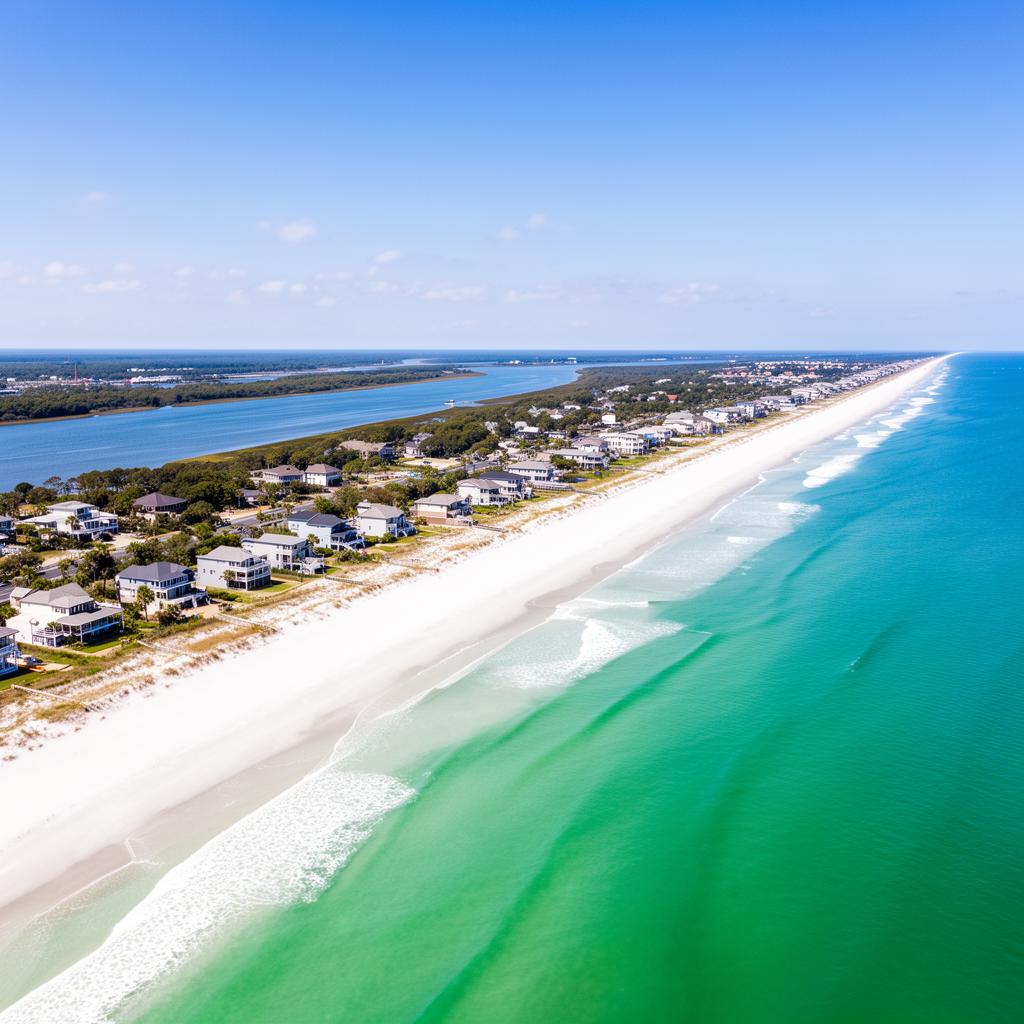
Why so many people are moving here.
Over the past decade Wilmington has gone from a well-kept secret to one of the fastest-growing corners of the Carolinas — and most of the people we move here didn’t come chasing a deal. They came chasing a way of life. What I hear over and over is that a buyer arrived for one reason — a job, a beach week that never quite left them, a parent who retired here first — and then stayed for all of them.
The growth is real, but it hasn’t cost the city its character. You still get a walkable historic riverfront, a true beach town a short drive in three different directions, and neighbors who actually wave. A handful of forces keep pulling people in:
Coastal Lifestyle
Miles of beaches, waterways, and a laid-back rhythm. Boating, fishing, paddleboarding, and surf — all minutes from home.
Strong Economic Growth
Healthcare, education, tourism, technology, and film production continue to fuel new businesses and opportunities across the region.
Mild Climate
Short, moderate winters and sun-soaked summers — a primary draw for buyers relocating from colder northern states.
High Quality of Life
A coastal lifestyle paired with the amenities of a growing city — parks, dining, and waterfront views for families, professionals, and retirees.
Where Wilmington sits.
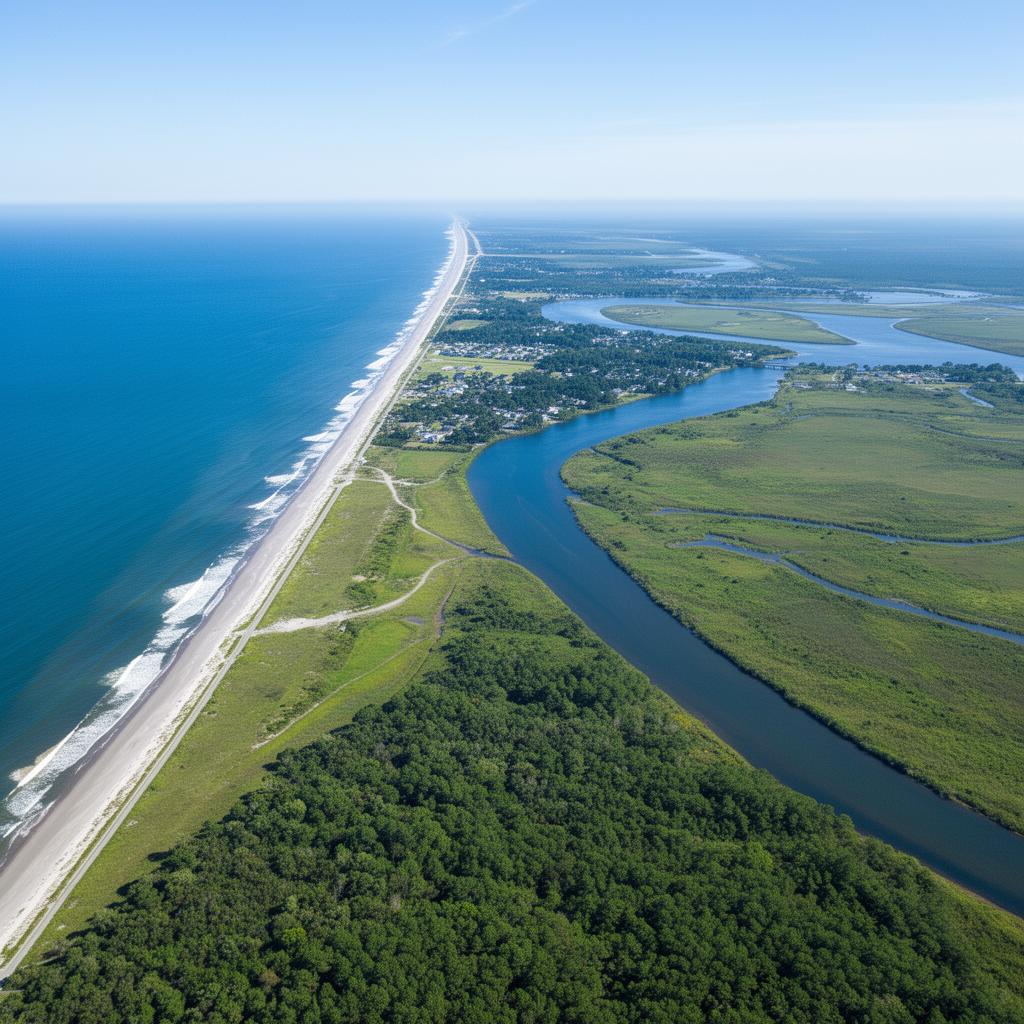
Wilmington sits in the southeastern corner of North Carolina, tucked between the Cape Fear River on one side and the Atlantic on the other. That geography is really the whole story: it’s why you can keep a boat in the water and still make it to your desk, a closing table, or the airport in a matter of minutes. The island beaches — Wrightsville, Carolina, and Kure — are close enough to be part of everyday life, not just a once-a-year vacation.
What surprises a lot of relocating buyers is how connected Wilmington is for a place that feels this unhurried. Wilmington International Airport (ILM) runs daily nonstop flights to major East Coast hubs, and the drive times to the rest of the region are short enough for a day trip or an easy weekend:
Raleigh
~2 hours
Charlotte
~3.5 hours
Myrtle Beach
~1.5 hours
Charleston
~3 hours
The Wilmington housing market.
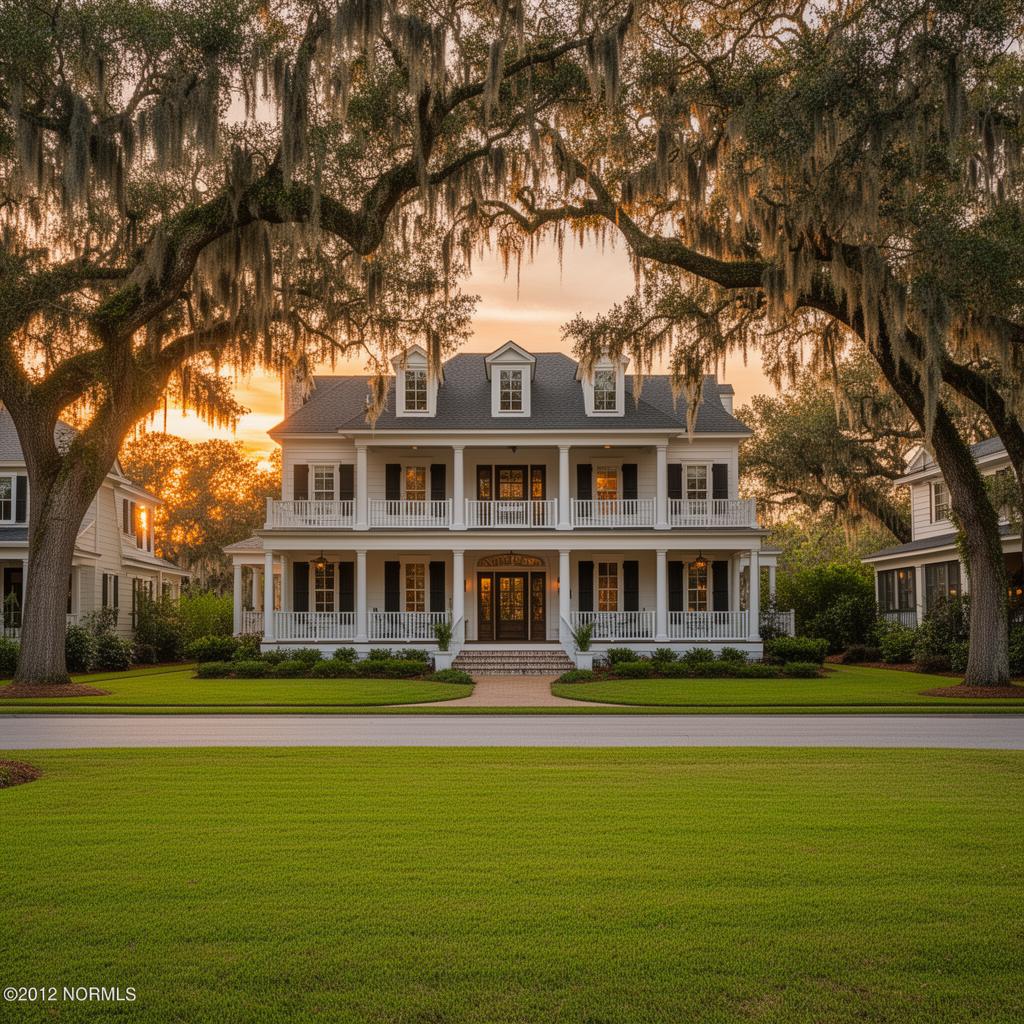
The market offers a wide range of property types — historic homes, waterfront properties, new construction communities, and low-maintenance townhomes. Demand has been strong, appreciation steady, and competition real.
Buyers regularly ask about hurricane risk, flood zones, and insurance costs, and those answers vary noticeably by submarket. Most homes built since the 1990s meet rigorous coastal building codes — but Wrightsville Beach, Carolina Beach, Brunswick Forest, and downtown Wilmington each carry different FEMA flood zone designations and historical storm exposure. Pricing reflects that. So does what insurance actually costs.
Working with a local expert before you move helps you read those signals and identify the right opportunity.
Four kinds of communities.
One of the real upsides of relocating here is that you get to choose your life, not just your house. Wilmington isn’t a single market — it’s a dozen distinct ones stitched together, and the right fit depends far more on how you want to spend your weekends than on your budget alone. A young family, a remote professional, and a couple downsizing for retirement will each find a place that fits — they just won’t be on the same street.
When we walk buyers through their options, it usually comes down to four kinds of communities:
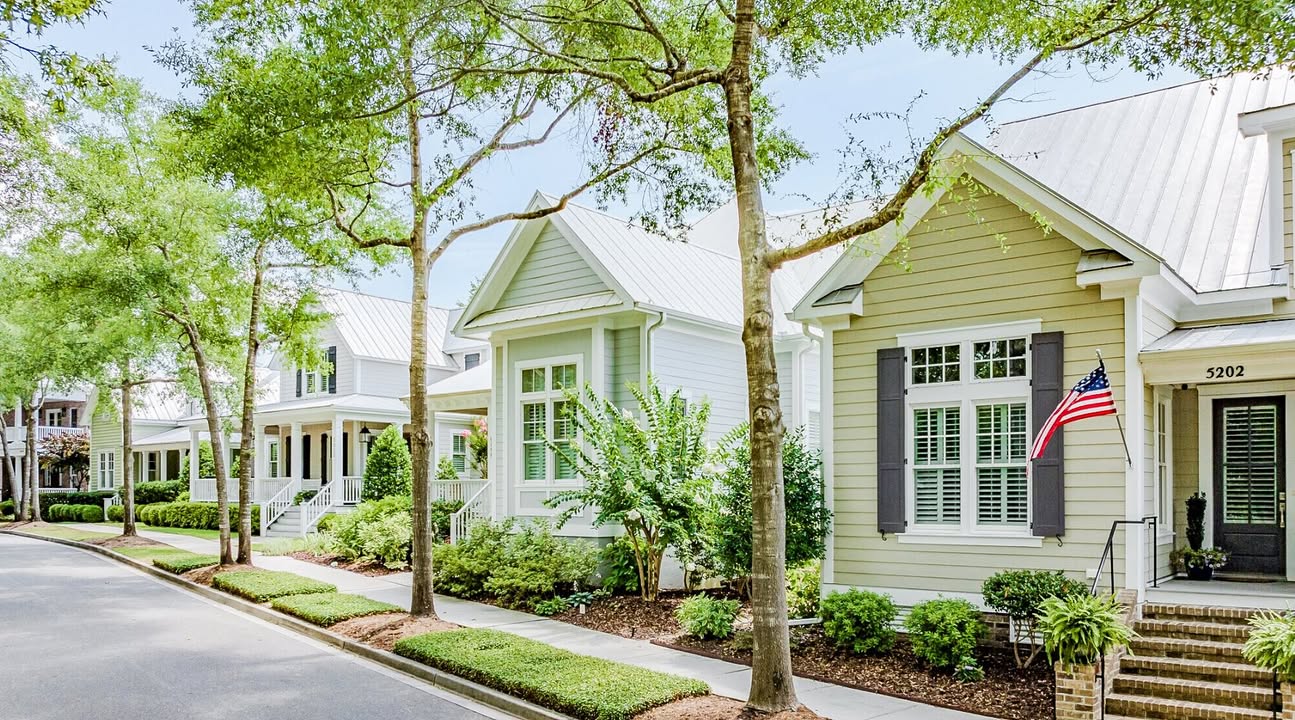
Coastal Living
Oceanfront communities and waterfront properties for buyers seeking a true beach lifestyle — vacation homes, second homes, and investment properties.
Suburban Communities
Larger homes, newer construction, and master-planned developments with walking trails, pools, and recreational amenities.
Historic Areas
Character homes, tree-lined streets, and walkable access to restaurants and shops within Wilmington's storied historic districts.
New Construction
Modern layouts, energy efficiency, and community amenities — preferred by many buyers relocating from out of state.
Cost of living in the Cape Fear region.
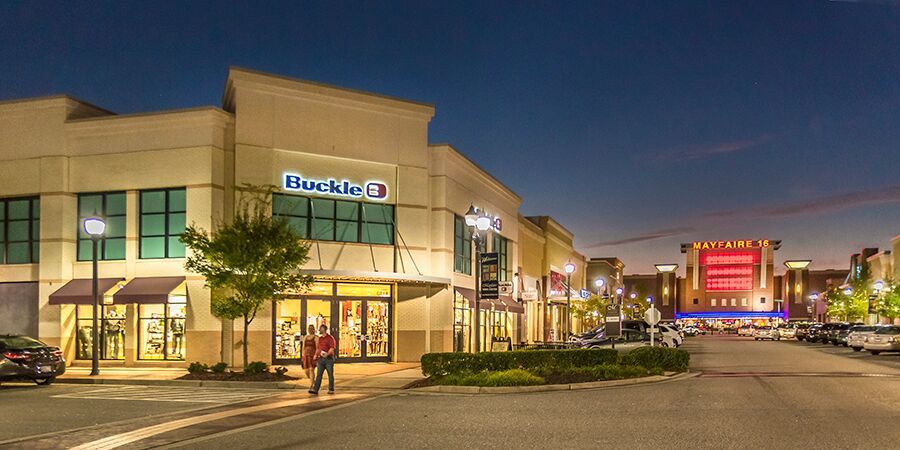
One of the reasons buyers are drawn here: a relatively reasonable cost of living compared to most coastal cities. Home prices have risen with demand, but housing, property taxes, utilities, transportation, groceries, and dining still consistently rank below national averages.
Property taxes are calculated by county and municipality, and North Carolina’s tax structure is appealing for many residents — the state does not tax Social Security income, a meaningful advantage for retirees compared to higher-tax states.
Healthcare in the region is anchored by Novant Health New Hanover Regional Medical Center, with Brunswick Novant and Pender Memorial serving the outlying counties.
Schools and education.
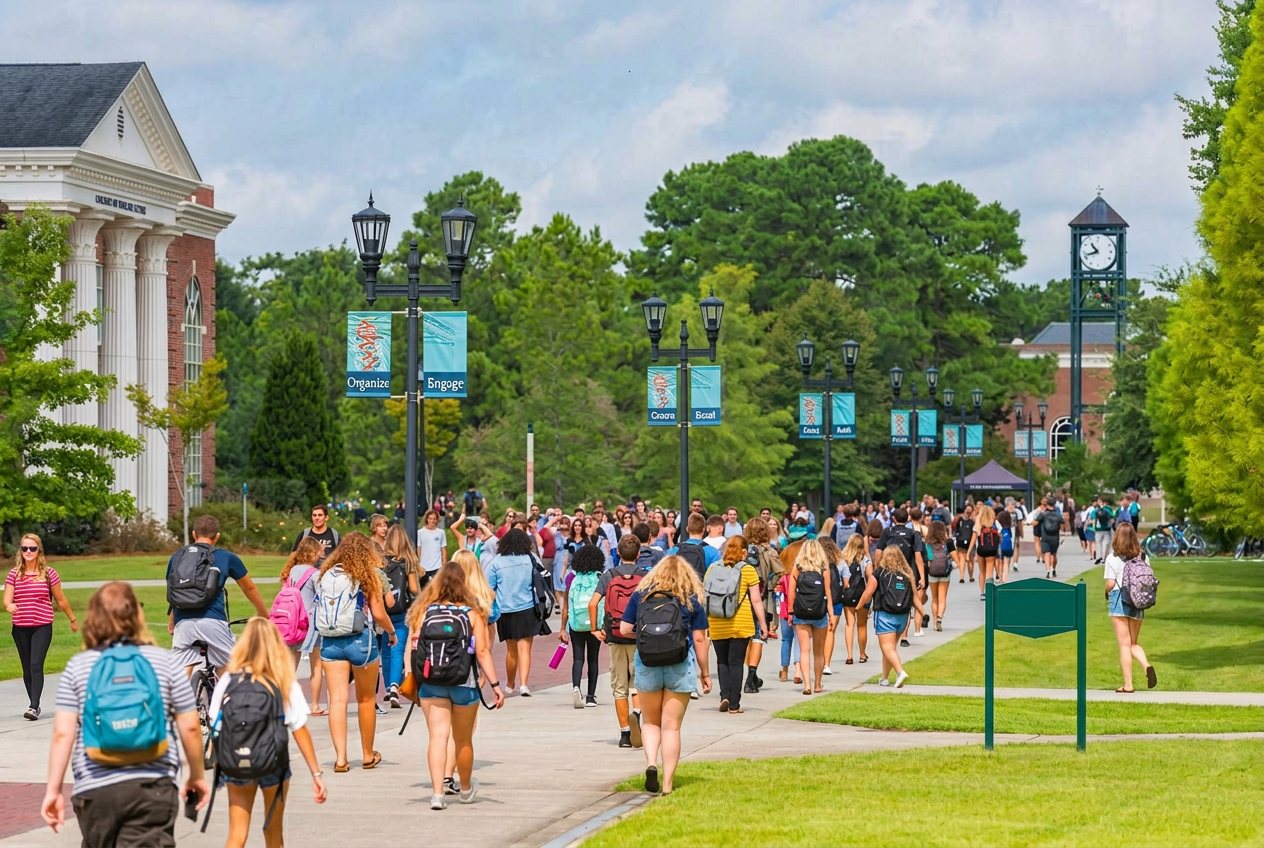
Buyers relocating to Wilmington have access to a variety of educational options across three school districts — New Hanover County, Brunswick County, and Pender County — with magnet, charter, private, and early-childhood programs available throughout the region.
The city is also home to UNCW, which plays an important role in the community and provides educational, cultural, and research opportunities.
Each county runs its own district, so school assignment matters. We pair assignment data with home search criteria so families can match preferences to a specific home before making an offer.
- Three districts. One coordinated search.
Employment in Wilmington.
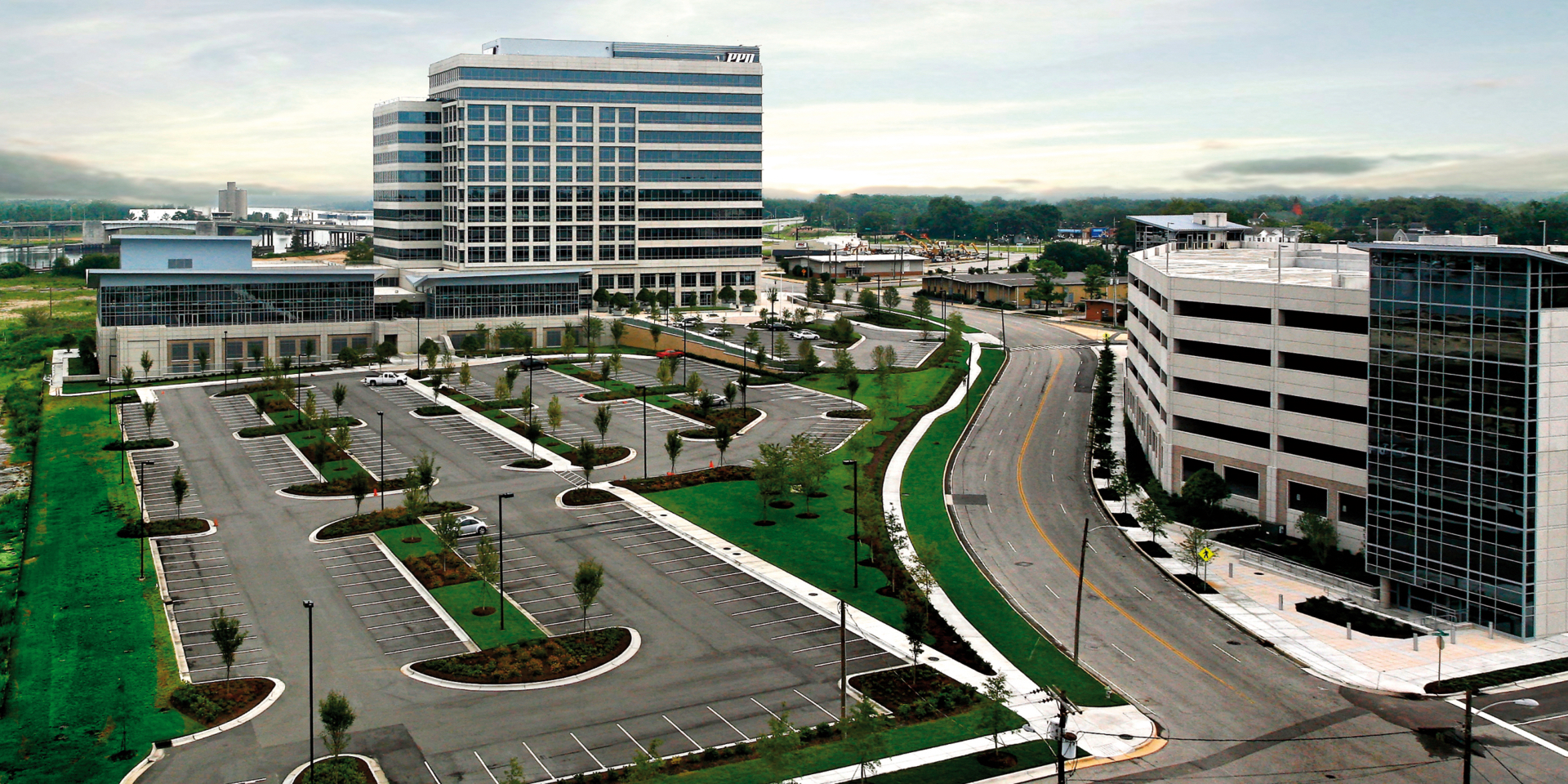
For a long time Wilmington was seen as a place you moved to after your working years. That has changed. The local economy has steadily diversified, and today it stands on a few sturdy legs: healthcare, anchored by Novant Health New Hanover Regional Medical Center; higher education and research through UNCW; a film and television industry deep enough to have earned the area the nickname “Hollywood East”; plus tourism, the Port of Wilmington, and a growing base of technology and professional-services firms.
The bigger shift, though, is remote work. A large share of the buyers we relocate now bring their job with them — trading a long commute in a colder, costlier city for a home office with a water view. For them the question was never “can I find work here.” It’s “where do I want to live while I do the work I already have.” Wilmington answers that one well.
- Healthcare
- Education
- Tourism & Hospitality
- Film & Television
- Technology & Startups
- Remote Work
Things to do, always.
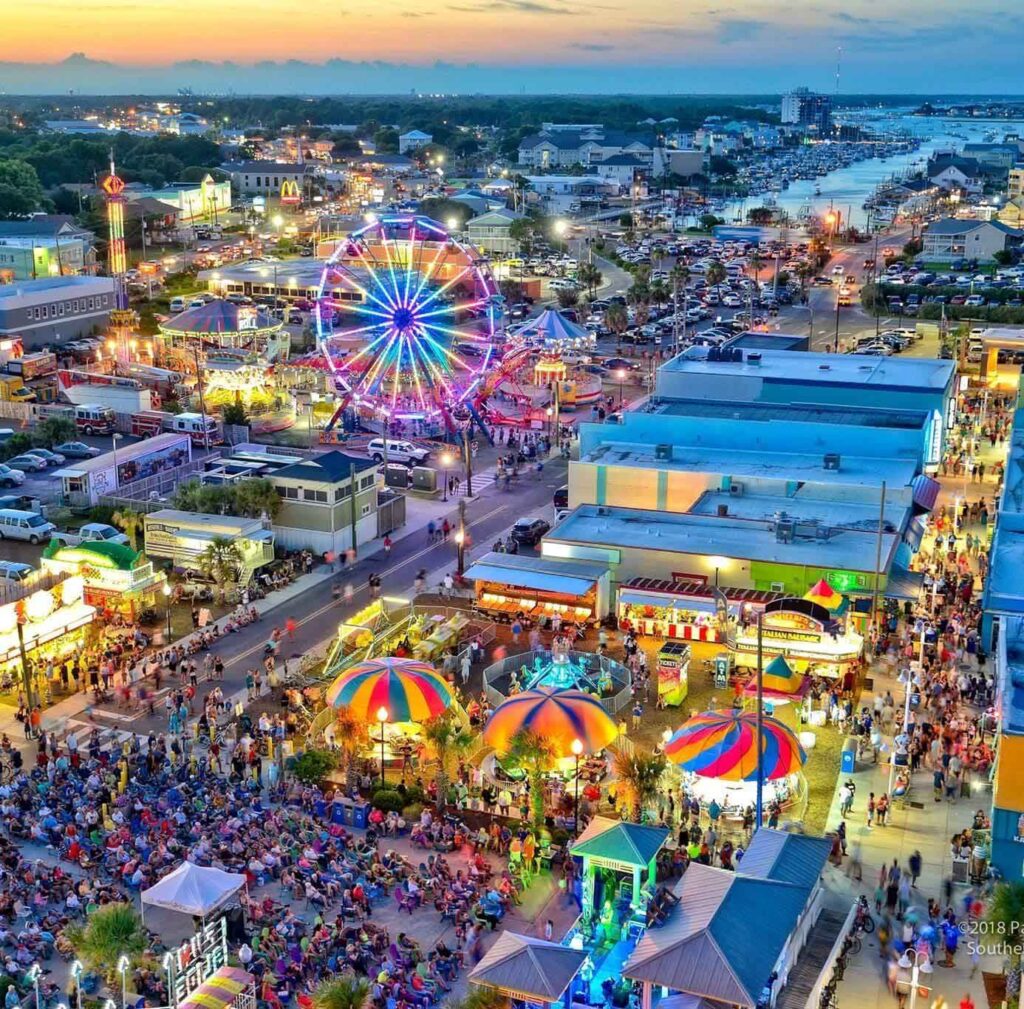
The thing nobody warns you about moving to Wilmington is how fast your weekends fill up. Between the water, the history, the parks, and a food scene that keeps outgrowing itself, the hard part isn’t finding something to do — it’s choosing. Here’s a taste of what’s on the table, year-round:
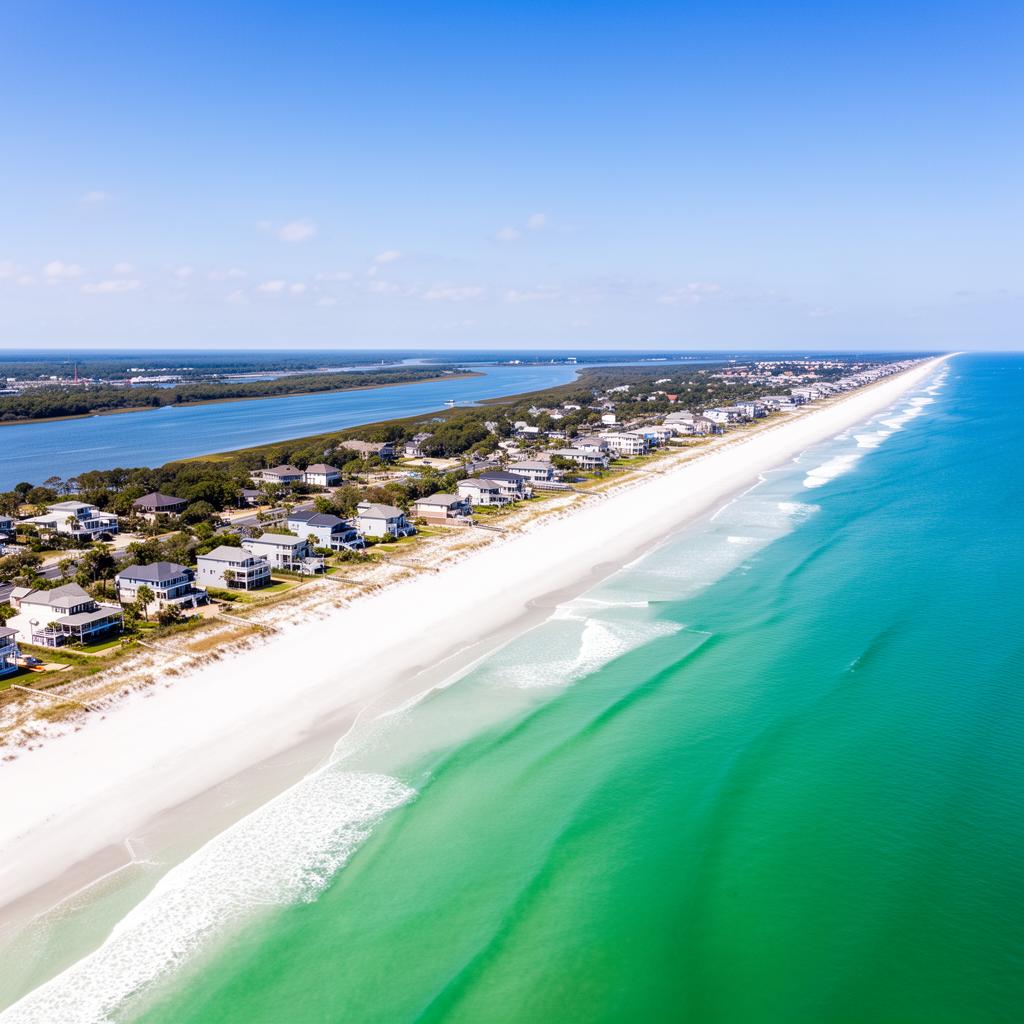
Beaches & Water
Swim, surf, boat, and fish along the Atlantic. Weekends spent on the water are a Wilmington signature.
Historic Downtown
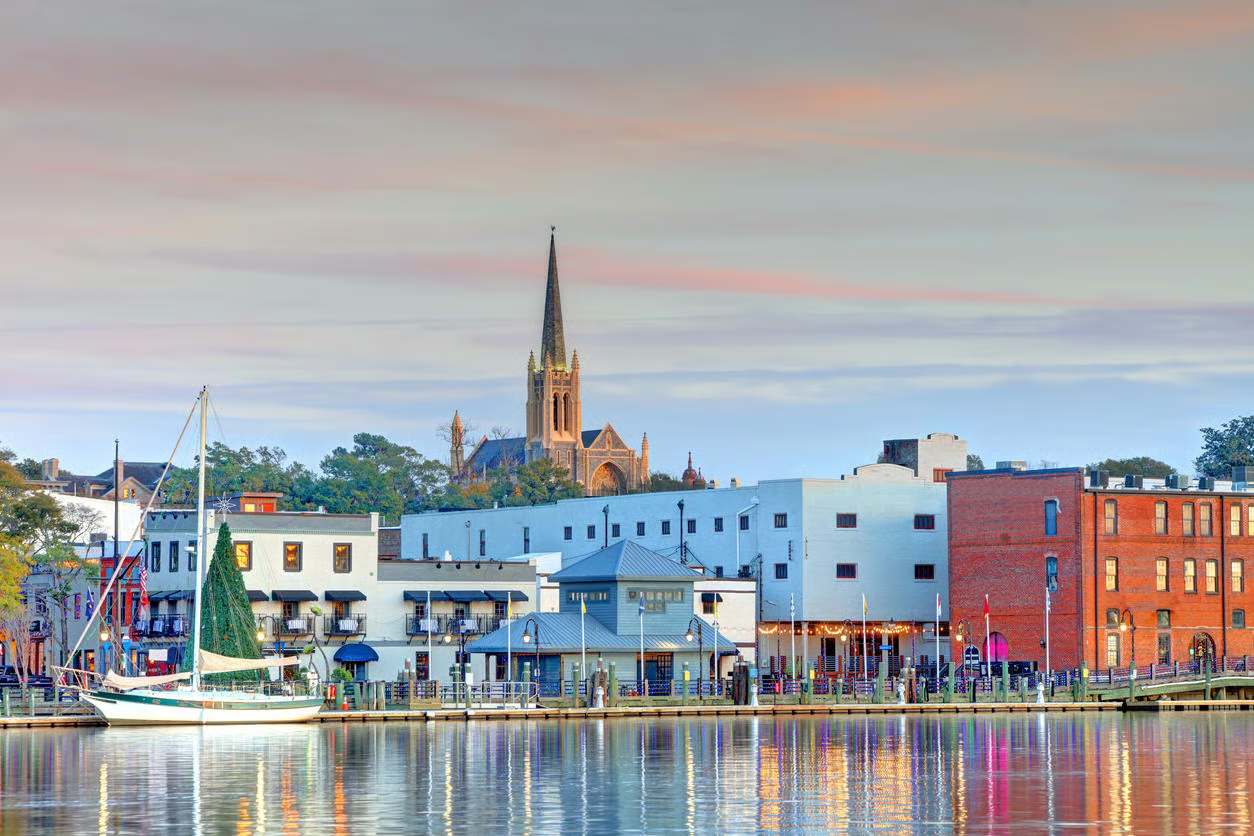
Centuries of architecture along the Cape Fear, a mile-long Riverwalk, and some of the best people-watching in the state — all of it walkable.
A Real Food Scene
Oyster bars, farm-to-table kitchens, a fast-growing craft-brewery trail, and seafood that was in the water that morning.
Parks, Arts & Festivals
Greenways and gardens, live music, the Azalea Festival, and a packed calendar of waterfront events from spring through fall.
Real estate opportunities.
Plenty of the people we work with aren’t just buying a place to live — they’re buying into a market they believe in. Between a steady stream of new residents, a tourism economy that fills the beach towns spring through fall, and a finite amount of land between the river and the ocean, Wilmington has rewarded patient owners. We help investors weigh the trade-offs honestly — long-term rentals versus vacation properties, and the real-world costs of coastal insurance and each town’s short-term-rental rules — so the numbers work in practice, not just on a spreadsheet.
Strong housing demand
Buyers keep arriving faster than homes come to market, which keeps well-located properties moving.
Growing population
Steady in-migration from higher-cost states widens the buyer pool a little more every year.
Limited coastal inventory
There’s only so much land between the river and the Atlantic — near-water supply stays tight.
Long-term appreciation
Over time, the mix of real demand and real scarcity has rewarded owners who hold.
Tips for relocating buyers.
After a decade of helping families land here from out of state, I’ve noticed the moves that go smoothly tend to share the same handful of habits — and the stressful ones usually skipped a step. None of it is complicated; it’s just the stuff that’s hard to know until you’ve done it a few times. Here’s what we tell every relocating buyer:
Work With a Local Expert
A knowledgeable local agent helps you understand each submarket, current conditions, and fair property values.
Explore Multiple Communities
Wilmington's housing environments vary widely. Tour several before deciding where to plant roots.
Understand Coastal Factors
Flood zones, FEMA designations, building codes, and insurance differ by neighborhood — it matters more than buyers expect.
Start your Wilmington relocation.
Relocating is a lot to carry — a new market, a new map, and a hundred decisions you’ve never had to make before, often from a few states away. The right local team turns that from overwhelming into a plan.
Matthew Kane and the Tidal team have spent years helping buyers move to Wilmington from all over the country — matching them not just to a house, but to the right neighborhood, the right school assignment, and the right long-term fit. When you’re ready, we’ll make the move feel easy.