If your Raleigh-area appraisal comes in below your contract price, you have a short list of real options: ask the lender for a reconsideration of value, renegotiate the price, bring more cash, or walk away. In North Carolina, the clock on your due diligence period decides how much you can lose by choosing the last one.
A low appraisal is one of the most stressful moments in a purchase because it arrives after you have paid for inspections, locked a rate and started planning the move. The good news is that it is a known problem with known paths. The bad news is that the lender, not you, decides what the home is worth for the loan.
Here is how it works in the Triangle and how to protect yourself before an appraisal ever comes back.
Why does an appraisal come in low?
Your lender orders an independent appraiser, who estimates market value by comparing your home to recent nearby sales. A low result usually means one of three things: the contract price is above the comparable sales the appraiser used, the appraiser missed or misread a feature of the home, or the market moved between when you made the offer and when the appraiser looked.
The third reason is worth thinking about in the Triangle right now. Our county pages show different pictures. In Wake County, Triangle MLS data for September 2026 shows a median sale price of $460,000, down 1.1% from a year earlier. In Durham County the September median was $420,000, down 6.7%. When prices are flat or falling, the sales an appraiser can cite may be lower than the price you agreed to weeks earlier.
- Wake County median sale price: $460,000, down 1.1% year over year, 49 days on market. Triangle MLS, September 2026
- Durham County median sale price: $420,000, down 6.7% year over year, 54 days on market. Triangle MLS, September 2026
- Federal agencies finalized guidance on how lenders handle reconsiderations of value for residential appraisals. CFPB and other federal agencies, July 2024
What can you do if the appraisal is low?
First, get a copy of the report. Federal rules give you the right to a copy of the appraisal, and you should read it for factual errors: wrong square footage, a missing bedroom or bath, an omitted renovation, or comparable sales that are far away or not really similar. Your agent should review it with you.
Ask for a reconsideration of value
A reconsideration of value is a formal request, made through your lender, asking the appraiser to review the value in light of new information. Make it specific. Provide better comparable sales and point to factual mistakes. A request that says the value feels too low is unlikely to change anything. The interagency guidance finalized in July 2024 describes how lenders should handle these requests, and each lender has its own procedure, so ask yours what information it needs.
A reconsideration is not a guarantee. The appraiser may keep the value, and the lender is not required to accept a second opinion. It is worth trying, but plan for the possibility that it does not work.
Renegotiate with the seller
Many deals are saved by splitting the gap. The seller can lower the price toward the appraised value, you can pay part of the difference in cash, or you can meet in the middle. How hard to push depends on the market. With 5,441 active listings in Wake County in September 2026, up about 9% from a year earlier, buyers have more bargaining power than they did a year ago, though a seller with a strong alternative offer will not move much.
Bring cash to cover the gap
If the home is appraised at less than the price, the lender bases the loan on the lower value, so the difference comes out of your pocket. If you have the cash and love the home, this can be reasonable. Be careful about spending your reserves, because you will still need money for the move, furniture and repairs.
Request a second appraisal
Some lenders and loan programs allow a second appraisal, and it costs money. It is not automatic, and a different appraiser may reach the same number. Ask your lender if it is allowed before you pay for one.
How much can you lose in North Carolina?
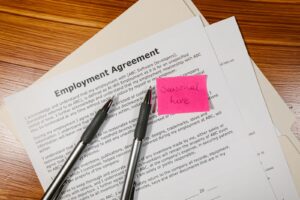
This is the part that surprises buyers from other states. The standard NC REALTORS and NC Bar Association Offer to Purchase and Contract (Form 2-T) does not include a stand-alone appraisal contingency that lasts after the due diligence period. Your protection is the due diligence period itself. If you terminate within it, you generally get your earnest money back, and the seller keeps the due diligence fee. After it ends, walking away over a low appraisal can put your earnest money at risk too, according to NC REALTORS legal guidance.
That means timing matters. In a fast deal, ask your lender when the appraisal is ordered and when it will be done, and ask your agent to line up the due diligence deadline with that date. If the appraisal could land after the deadline, ask the seller to extend the period in writing. You can also add an appraisal addendum, but NC REALTORS notes it does not give the seller more remedy if you walk after the period, so talk with your attorney about the terms.
Sometimes the appraiser is right and you overpaid. A low appraisal can be a useful warning, especially in neighborhoods where new-construction incentives are setting the price ceiling for resale. Our Wake County page notes that outer-Wake new construction with builder incentives is setting that ceiling in the $400s. If an appraisal reflects that, a reconsideration may not work, and the cheapest option may be to renegotiate or walk. We also cannot tell you how often appraisals come in low in the Triangle, because we do not have a sourced figure.
Related questions people also ask
Can you back out of a house purchase in North Carolina if the appraisal is low?
You can, but the cost depends on timing. If you terminate during the due diligence period, you generally get your earnest money back and the seller keeps the due diligence fee. After that period ends, the standard contract does not give you a stand-alone appraisal exit, so you could lose your earnest money.
Who pays when an appraisal comes in below the purchase price?
Whoever agrees to cover the gap. The lender bases the loan on the appraised value, so the buyer, the seller or both must make up the difference through a lower price or extra cash. Which one happens depends on the strength of the contract and the market.
Can you challenge a low appraisal?
Yes, through a reconsideration of value request made to your lender. You will need specific evidence, such as better comparable sales or a factual error in the report. The lender and appraiser are not required to change the value, so it is not a guaranteed fix.
Before you go under contract, ask your lender when the appraisal will be ordered and how long it usually takes, and set your due diligence deadline to match. If you already have a low appraisal, gather three recent nearby sales that support your price and send them to your lender along with any factual errors. We are happy to review the report with you and talk through your options, and you can see current county data on our Wake County market page.
Sources: Triangle MLS county data for September 2026 as published on our Wake County and Durham County market pages, November 2026; CFPB and federal banking agencies, interagency guidance on reconsiderations of value for residential real estate valuations, finalized July 2024; NC REALTORS legal Q&A and Form 2-T guidance on due diligence and appraisal, accessed November 2026; CFPB consumer guidance on appraisal copies, accessed November 2026.