If you own a home in Historic Oakwood, any exterior change that alters the design, materials or general appearance of the house or the lot needs a Certificate of Appropriateness from the City of Raleigh before the work starts. Interior work, and ordinary maintenance that does not change what the house looks like, does not.
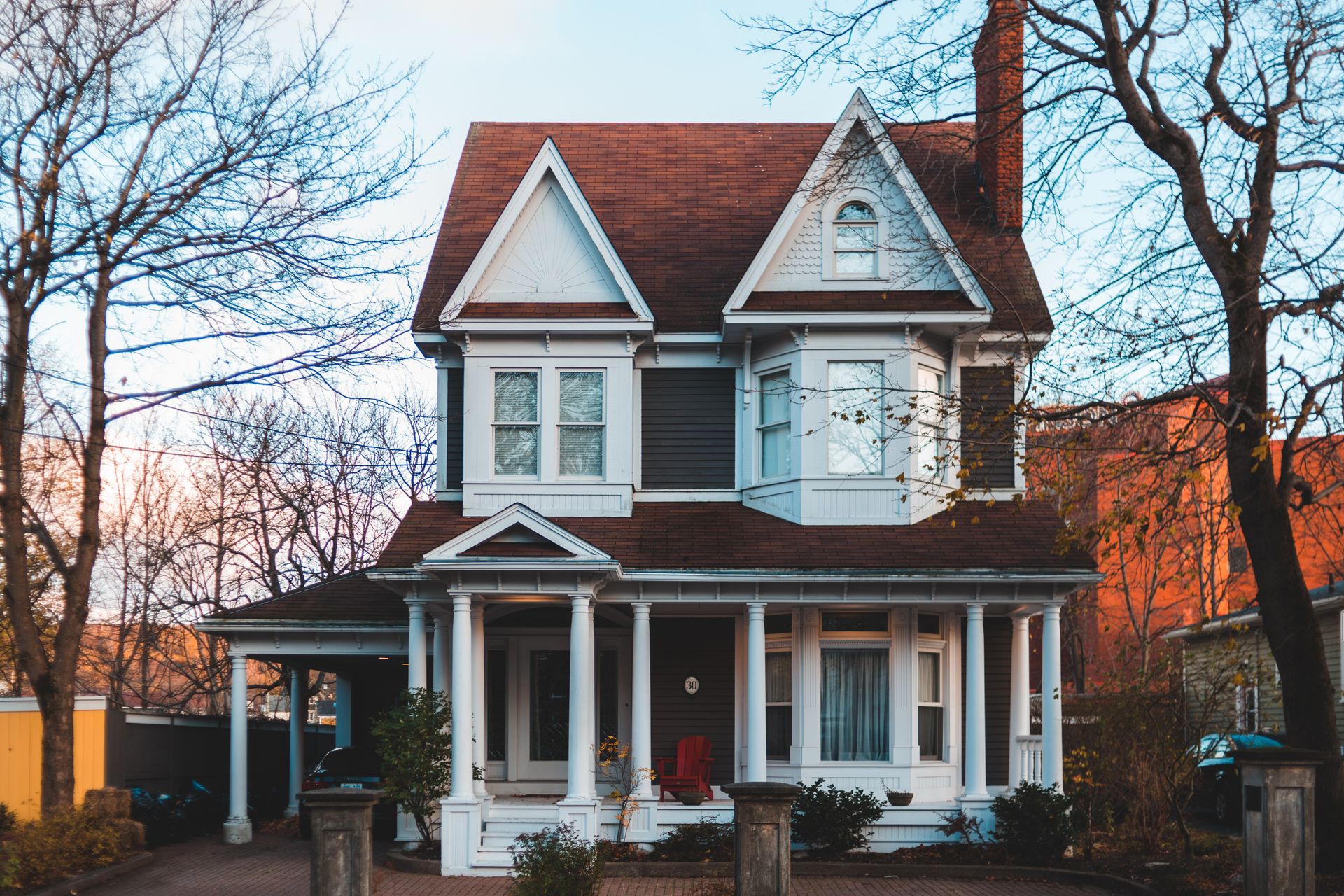
Oakwood is Raleigh’s largest collection of 19th-century Victorian-era houses, with a period of significance from 1880 to 1940 (City of Raleigh, Oakwood Historic District page, 2026). It sits just northeast of the State Capitol, roughly bounded by North Boundary, Person, Jones and Linden streets and Oakwood Cemetery, about 190 acres in all (National Register of Historic Places listing, via Wikipedia, read November 20, 2026). It was listed on the National Register on June 25, 1974 (National Park Service, NRIS 74001380) and became Raleigh’s first local historic district in 1975 (Society for the Preservation of Historic Oakwood welcome brochure, 2022). That second designation is the one that governs what you can do to your house.
We bring this up at the first showing because the rules are the reason Oakwood looks the way it does and also the reason some buyers should not buy here. The neighborhood exists because residents organized in 1972 to stop the state’s planned North-South Expressway from running through it (SPHO brochure, 2022), and the design review they fought for is the deal you sign up for. Our Downtown Raleigh neighborhood guide covers Oakwood alongside Boylan Heights and Mordecai; this post is about the rulebook.
What needs a Certificate of Appropriateness in Oakwood?
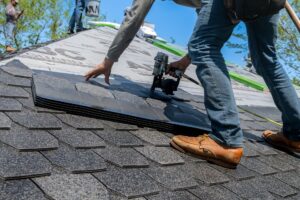
The local designation is a Historic Overlay District, a zoning overlay adopted by Raleigh City Council. The SPHO’s own welcome brochure puts the standard plainly: any exterior work where there is a change in the design, materials or general appearance of the structure or grounds requires COA approval before you start work or pull other permits, and beginning work without one is a violation of city code (SPHO welcome brochure, 2022). That covers additions, windows and doors, siding, roofing materials, porches, fences, driveways, retaining walls and accessory buildings. Grounds means grounds: your fence and front walk are reviewed, not just your house.
There are two tracks. Minor works are changes that do not involve substantial alterations, additions or removals that could impair the integrity of the district as a whole (Raleigh Unified Development Ordinance, Section 10.2.15). City staff review and approve those administratively on a rolling basis, generally within 10 business days, and a fee is due at submittal before review starts (City of Raleigh, Minor Work COA page, read November 20, 2026). If staff decide the work is substantial, not clearly in keeping with the district and the Design Guidelines, or potentially precedent-setting, the application is converted to a Major Work COA for the Raleigh Historic Development Commission’s COA Committee at its monthly meeting. The ordinance requires a decision within 180 days of filing (UDO Section 10.2.15). Once approved, you post the placard on the site while the work is under way; it doubles as your zoning permit (City of Raleigh, Minor Work COA page).
Two things trip up new owners. First, paint. Repainting in the same color is maintenance, but the city requires a paint schedule and physical samples when exterior paint is changing color, which means a color change goes through the minor-work process (City of Raleigh, Minor Work COA page, read November 20, 2026). Second, timing. COA review comes before your building permit, not alongside it.
What is exempt?
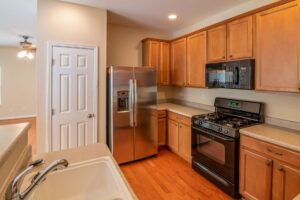
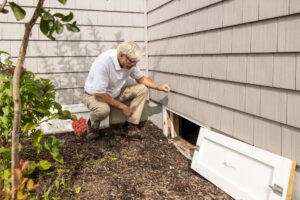
Interior work. The ordinance says no certificate of appropriateness is required for interior repairs or renovations, with an exception only for designated interior features of individual Raleigh Historic Landmarks (UDO Section 10.2.15). You can gut a kitchen or finish an attic in Oakwood without a COA, subject to ordinary building permits. State law also bars cities from requiring a COA for ordinary maintenance or repair that does not change design, material or outer appearance, or for work needed to resolve a dangerous situation (NC General Statutes Chapter 160D, historic preservation provisions, as summarized by the UNC School of Government). Replacing a rotten porch baluster with a matching one is maintenance. Replacing the whole railing with a different profile is not.
- National Register listing June 25, 1974; Raleigh’s first local historic district in 1975 National Park Service NRIS 74001380; SPHO welcome brochure, 2022
- Minor Work COA review generally 10 business days; Major Work decided within 180 days of filing City of Raleigh Minor Work COA page, read November 20, 2026; Raleigh UDO Section 10.2.15
- Restored Victorians in Oakwood, Boylan Heights and Mordecai $1.2M to $1.8M; smaller cottages from the $600Ks Our Downtown Raleigh neighborhood guide, trailing 12 months of Triangle MLS closed sales, November 2026
- Combined Wake County and City of Raleigh tax rate $0.9091 per $100 of assessed value Wake County Tax Administration, 2026 rate table
- NC historic rehabilitation tax credit for owner-occupied homes: 15 percent of eligible expenses up to $150,000, maximum credit $22,500 NC State Historic Preservation Office, read November 20, 2026
Is there any upside to the rules?
Yes, and it shows up in the price. Fully restored Victorians in Oakwood, Boylan Heights and Mordecai trade from $1.2 million to $1.8 million, with smaller cottages from the $600Ks (our Downtown Raleigh guide, trailing 12 months of Triangle MLS closed sales). For comparison, the Wake County median sale price was $467,500 for October 2026 closings (Triangle MLS). Design review is a large part of why the streetscape that justifies that premium is still intact.
The second upside is the state tax credit. North Carolina offers a 15 percent state income tax credit for qualified rehabilitation of owner-occupied residential properties, with eligible expenses capped at $150,000 for a maximum credit of $22,500, provided the project exceeds $10,000 within 24 months. Contributing buildings in a National Register district qualify, and Raleigh is one of three certified local districts in the state whose contributing buildings also qualify. All work must meet the Secretary of the Interior’s Standards for Rehabilitation and be reviewed by the State Historic Preservation Office, and you may claim one project every five years (NC State Historic Preservation Office, non-income-producing properties page, read November 20, 2026). It only works if you apply before the work starts.
The third is the neighborhood itself. Every Oakwood property owner is automatically a member of the Society for the Preservation of Historic Oakwood, which puts on the Candlelight Tour the second weekend of December with proceeds going into a revolving fund for restoration (SPHO brochure, 2022). More than 90 percent of the houses have at least one porch (historicoakwood.org, read November 20, 2026), and people use them.
What should a buyer check before writing an offer?
Start with the house’s status. Not every building in the district is contributing, and a non-contributing house is still subject to COA review but does not qualify for the tax credit. Ask for the COA history on the property; unpermitted exterior changes by a prior owner become your problem, and after-the-fact applications are a separate fee category in the city’s Development Fee Guide (City of Raleigh, Minor Work COA page). Then budget realistically: replacing historic wood windows in kind, or repairing a slate roof in slate, costs more than the alternatives the rules may not allow. Property taxes run at the combined Raleigh rate of $0.9091 per $100 of assessed value for 2026 (Wake County Tax Administration), and Wake County’s next revaluation is effective January 1, 2027. Finally, pull the school assignment. Oakwood addresses generally assign to Hunter or Conn Elementary, Ligon or Moore Square Middle and Enloe High, but Wake assigns by exact address and changes it, so we run the lookup on every house (our Downtown Raleigh guide; see how Wake County school assignment works).
Oakwood is a poor fit for a buyer who wants to put their own stamp on the outside of a house, who needs a project to move fast, or whose renovation budget assumes modern materials. We have watched buyers fall for a porch and then discover that the fence, the windows and the garage they sketched all need review, and that the review may say no. The rules also do not stop a neighbor’s interior gut or a large addition that meets the guidelines. If you want the Victorian look without the overlay, parts of Mordecai and East Raleigh outside the boundaries have older houses with lighter rules. The boundaries are block-specific, so check the official zoning map in the city’s iMAPS before you assume a house is in or out.
Related questions people also ask
Can you change the paint color of a house in Historic Oakwood?
You can, but a change of exterior color goes through the City of Raleigh’s minor-work Certificate of Appropriateness process, which asks for a paint schedule and physical samples when the color is changing. Repainting in the existing color is ordinary maintenance and does not need a certificate. Staff review minor works administratively, so a color change is a matter of weeks rather than a public hearing, as long as the palette fits the design guidelines.
Do historic district rules in Raleigh apply to the inside of the house?
No. Raleigh’s ordinance says no Certificate of Appropriateness is required for interior repairs or renovations, with an exception only for designated interior features of individually designated Raleigh Historic Landmarks. Kitchens, bathrooms, floor plans and finishes are yours to change with ordinary building permits. The review covers the exterior of the structure and the grounds, including fences, walks and major landscape changes.
Is a historic district home a good investment in Raleigh?
It can be, because design review protects the streetscape that supports the premium these houses carry, and North Carolina’s 15 percent rehabilitation tax credit for owner-occupied historic homes (NC State Historic Preservation Office) can offset part of a qualifying restoration. The risks are higher maintenance costs, slower project timelines and the possibility that the work you want is not approved. We tell buyers to treat an Oakwood house as a long hold rather than a quick flip, and to price the restoration before they price the purchase.
Before you tour, write down every exterior change you would want to make to the house in the first five years, then bring that list to us. We will check the property’s contributing status and COA history, walk you through which items are minor work, major work or exempt, and connect you with the right people at the city before you write an offer.
Sources: City of Raleigh, Oakwood Historic District page and Minor Work Certificate of Appropriateness page, read November 20, 2026; Raleigh Unified Development Ordinance, Section 10.2.15, Certificate of Appropriateness, read November 20, 2026; Society for the Preservation of Historic Oakwood, Welcome to Oakwood brochure, 2022, and historicoakwood.org neighborhood history, read November 20, 2026; National Park Service, National Register of Historic Places, Oakwood Historic District, NRIS 74001380, listed June 25, 1974; Wikipedia, Historic Oakwood, read November 20, 2026; NC State Historic Preservation Office, Rehabilitation Tax Credits for Non-Income-Producing Historic Properties, read November 20, 2026; UNC School of Government, Coates’ Canons, Historic Preservation Commission Basics and Certificates of Appropriateness and Quasi-Judicial Procedures (May 2025); Wake County Tax Administration 2026 rate table and Revaluation 2027 page; Triangle MLS (Doorify) Wake County statistics, October 2026 closings, via our Wake County market update; our Downtown Raleigh neighborhood guide, November 2026.