In North Carolina the risk of loss stays with the seller until closing, so if a storm damages the house after you go under contract, it is the seller’s problem to solve, not yours. Paragraph 11 of the standard Offer to Purchase and Contract lets you walk away with both your earnest money and your due diligence fee refunded if the house is not in substantially the same condition at closing as it was the day you made the offer.
That is one of the few places in the North Carolina contract where a buyer gets the due diligence fee back. It exists because the state’s form puts storm risk where it belongs: on the party who still owns the house, still insures it and still controls it.
We bring this up with buyers on the coast more often than buyers inland would expect. The Atlantic hurricane season runs June 1 through November 30 according to the National Hurricane Center, and a 30-day due diligence period plus a 30-day loan contingency means a Wilmington buyer who goes under contract in August is frequently still under contract when a named storm enters the forecast.
What the contract actually says
Two provisions do the work, and they are next to each other. Paragraph 11(a) of Standard Form 2-T, the Offer to Purchase and Contract used in nearly every resale transaction in New Hanover, Brunswick and Pender counties, says that if the property is not in substantially the same or better condition at closing as it was on the date of the offer, reasonable wear and tear excepted, the buyer may terminate by written notice and the due diligence fee and earnest money deposit are refunded. Paragraph 11(b) is one sentence: the risk of loss or damage by fire or other casualty before closing is on the seller, and the seller is advised not to cancel insurance until the deed is recorded.
Read those together and the picture is clear. The seller carries the risk. You get a decision, not a bill.
- Atlantic hurricane season: June 1 through November 30 NOAA National Hurricane Center
- Risk of loss before closing sits with the seller NC Offer to Purchase and Contract, Standard Form 2-T, paragraph 11(b), read November 2026
- Termination for a material change in condition refunds both the earnest money deposit and the due diligence fee Standard Form 2-T, paragraph 11(a), read November 2026
Paragraph 11(a) also covers the case where you do not want to walk. If the house is damaged and you still want it, you are entitled to receive the property plus the proceeds of any insurance claim the seller filed for that damage. In practice that means a conversation about whether the seller repairs before closing or assigns you the claim money and a price adjustment, and that conversation goes better when it starts the day after the storm rather than the week of closing.
What actually happens in the days after a storm here
The contract language is the easy part. The timeline is where deals get stuck, and it usually goes like this.
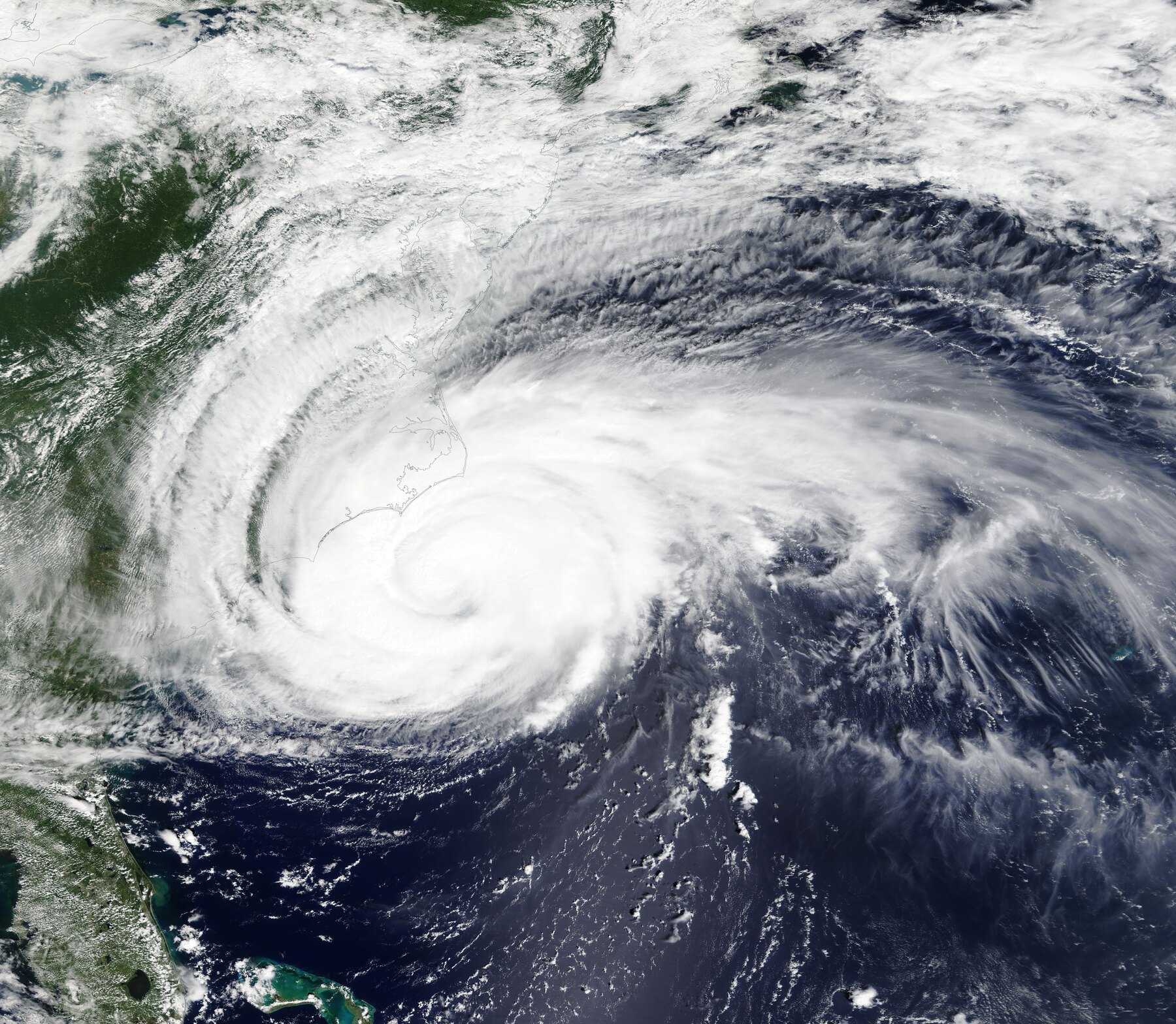
First, nobody can get on the property for a day or two. Then the seller files a claim and waits for an adjuster, and after a widespread event adjusters are rationed across the whole coast. Meanwhile your lender wants a post-storm inspection or a re-inspection of the appraisal before it will fund, because it is lending on a house it now knows may be damaged. Hurricane Florence came ashore near Wrightsville Beach in September 2018 and closings across all three counties slipped by weeks, not days, for exactly these reasons.
The second pressure point is insurance. Carriers routinely stop binding new coverage and stop changing existing coverage once a named storm is inside a defined distance of the coast. We have had buyers who were fully approved, fully funded and unable to close only because no carrier would write the policy that week. This is the single most common way a storm delays a Wilmington closing, and it happens even when the house is untouched.
That is also why we tell buyers to bind insurance early rather than at the end of due diligence. A policy that is already in force is not affected by a binding suspension. A quote is.
What to do if it happens to you
Four things, in order. Put your request in writing, because paragraph 11(a) requires written notice to terminate and because a text thread is not a notice. Get the property inspected again before closing, even if the damage looks cosmetic, since the question is condition at closing and not condition last week. Ask the seller directly whether a claim has been filed and what the adjuster found, in writing. And talk to your closing attorney before you agree to any repair credit, because how the money moves matters to your lender.
If you are early in the process and still deciding how to structure an offer, our Buyer Advantage Program page explains how we handle due diligence timing for coastal purchases. For how storm risk prices into insurance long after closing, read our guide to coastal homeowners insurance and hurricane deductibles.
Two situations do not fit the clean answer. If you are buying new construction, you are probably not on Form 2-T at all. Builders use their own contracts, and many of them handle casualty differently, with the builder obligated to repair and no buyer right to terminate. Read that section before you sign, because the state form’s protections are not automatic. And if you have asked for possession before closing, the standard possession agreement keeps the risk on the seller and requires the seller to maintain insurance, but your own belongings in that house are your problem. Also be realistic about the word substantially. A missing section of fence after a tropical storm is not the same as a tree through the roof, and a buyer who tries to use minor damage to escape a contract they have soured on is likely to end up in a dispute rather than a refund.
Does this change what you should offer in hurricane season?
Not much, and we would be suspicious of anyone who tells you to time the market around it. The thing worth adjusting is your calendar, not your price. Buyers under contract in August and September should assume a possible two to three week slip and should avoid scheduling a lease end, a moving truck and a closing in the same week.
The current market gives you more room to do that than it did two years ago. The typical New Hanover County home took 61 days to go under contract in the three months ending September 2026 against 34 days a year earlier, according to our New Hanover County market update. Sellers who have waited that long are generally willing to work with you on a closing date rather than start over.
Related questions people also ask
Can the seller cancel the contract if the house is damaged?
Not on the basis of the damage itself. The standard North Carolina form gives the termination right in that situation to the buyer, not the seller, and it puts the risk of loss on the seller until closing. A seller who simply refuses to close is in breach, and the buyer’s remedies include specific performance, which means asking a court to force the sale. In practice most of these situations end in a negotiated repair, a price reduction, or an assignment of the insurance proceeds rather than in court.
Do I still need to buy insurance if the house was damaged before I closed?
Yes, and your lender will require it before it funds the loan. Your policy covers your ownership going forward, while the seller’s policy is what responds to damage that happened while the seller still owned the house. A carrier may decline to write a new policy on a property with open, unrepaired damage, which is one more reason to confirm the repair status early. Expect your insurance agent to ask for photos or a completed repair invoice before binding coverage.
What happens to my rate lock if the closing gets pushed back after a storm?
Most rate locks run 30, 45 or 60 days, and a storm delay can push you past the expiration date. Lenders commonly offer a lock extension for a fee, and some waive it after a declared disaster, but neither is guaranteed and the cost falls on the borrower. Ask your loan officer for the extension policy in writing at the start of hurricane season rather than during it. If the lock expires and rates have moved against you, the new rate is the one you will pay.
If you are going under contract between June and November on this coast, bind your homeowners insurance as early in due diligence as your lender will allow, and put your closing date far enough from any hard deadline that a two week slip does not cost you money. We walk buyers through both every season, and we are glad to look at your specific timeline with you.
Sources: North Carolina Offer to Purchase and Contract, Standard Form 2-T, paragraphs 11(a) and 11(b), jointly approved by the North Carolina Bar Association and NC REALTORS, read November 22, 2026; NOAA National Hurricane Center, Atlantic hurricane season dates; National Hurricane Center record of Hurricane Florence landfall near Wrightsville Beach, September 2018; Tidal Realty Partners New Hanover County market update, September 2026 data.