
Chapel Hill
Your complete guide to Chapel Hill: the university town at the western point of the Triangle, with Franklin Street, one of the state’s top-ranked public school districts, deep tree canopy and a resale market that holds value through every cycle.
Neighborhood Overview: Chapel Hill homes for sale
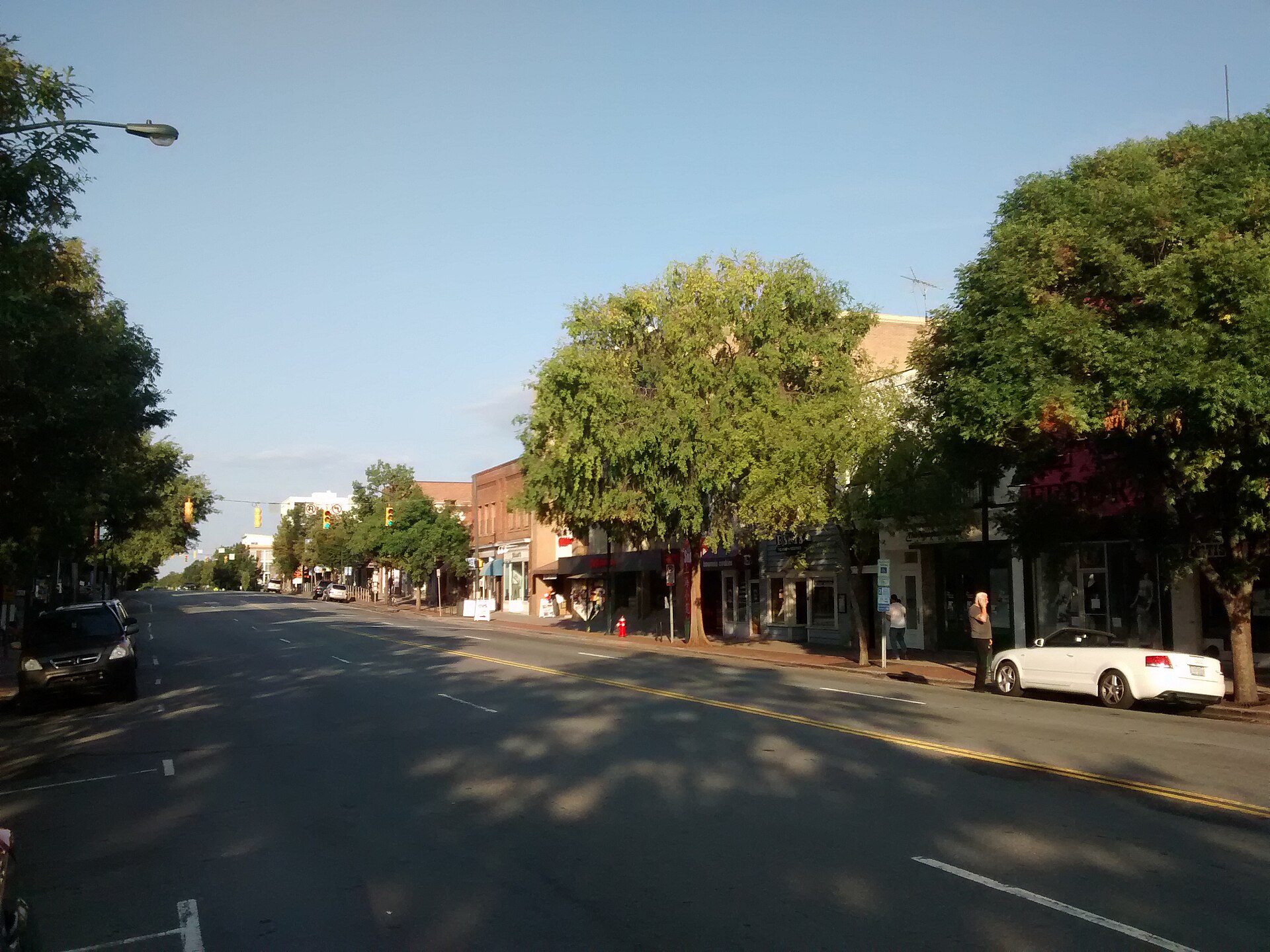
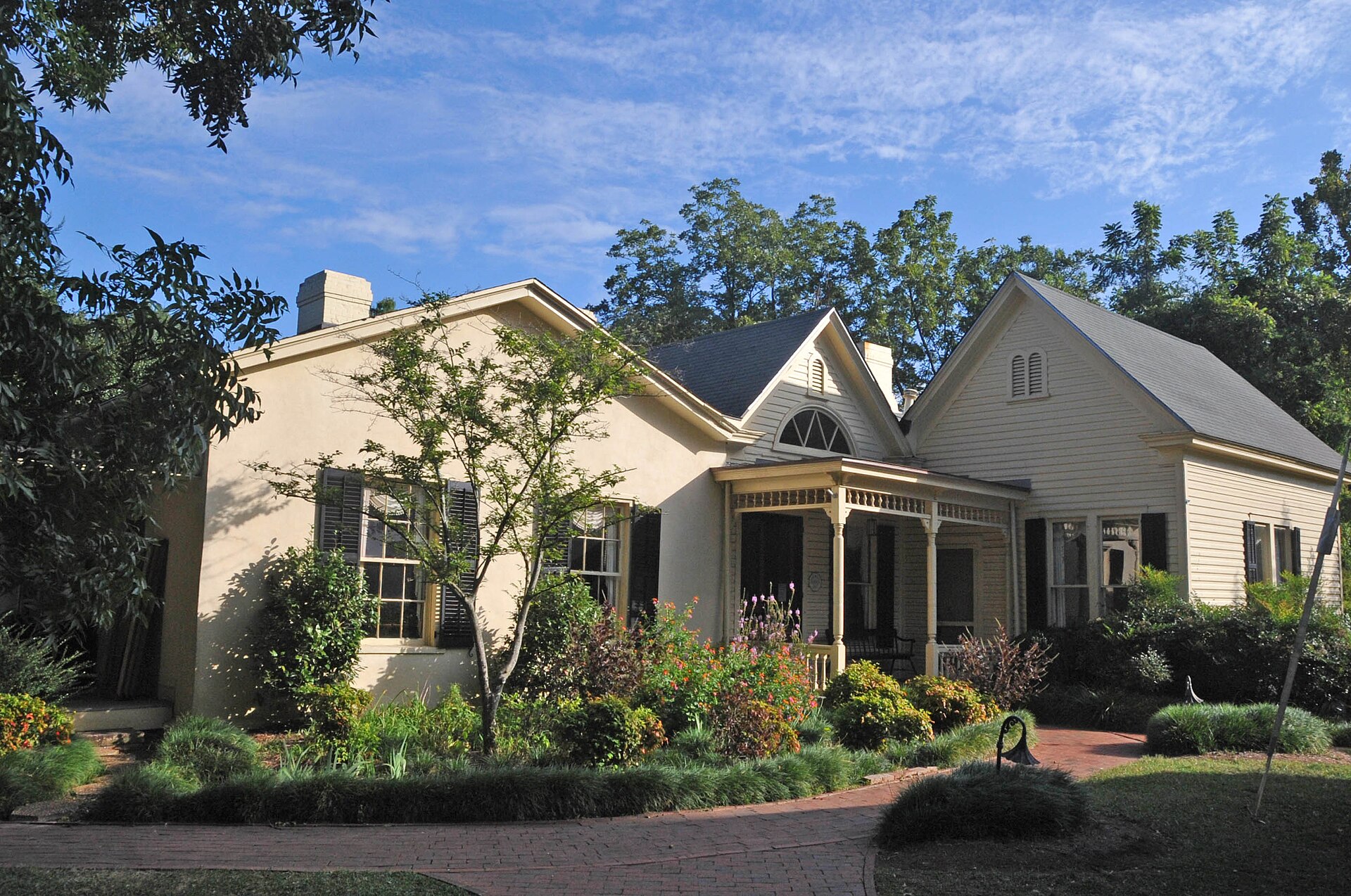
Chapel Hill is the University of North Carolina, and everything about the town follows from that: the Franklin Street main street at the campus gate, the hospital system that is the county’s largest employer, the deep canopy of hardwoods the town has protected for a century, and a population that is more educated and more transient than any other in the state. The housing is organized in rings. Closest to campus are the historic districts of Gimghoul, Cameron-McCauley and the Franklin-Rosemary streets, with 1920s to 1940s homes on walkable blocks. Beyond them are the mid-century neighborhoods of Greenwood, Coker Hills, Lake Forest and Morgan Creek, where ranches and modernist homes sit on wooded half-acre lots. Further out are the planned communities of the 1990s and 2000s: Southern Village and Meadowmont, each with its own village center, and the Governors Club, Briar Chapel and Chatham County neighborhoods with Chapel Hill addresses but lower tax bills.
Chapel Hill is the most expensive housing market in the Triangle per square foot and the most consistent. Inventory is tight because the town has limited growth deliberately, the school district is the most sought-after in North Carolina, and demand from faculty, physicians and returning alumni never really stops. What we tell buyers is that Chapel Hill proper carries some of the highest property taxes in the state, and that the decision between a Chapel Hill address inside Orange County and one across the Chatham line is often a $5,000-a-year decision.
Home Price Ranges
Condos and townhomes, many of them owned by investors renting to students and hospital staff, start around $300K; mid-century homes in Coker Hills, Lake Forest and Greenwood trade between $650K and $1.1M depending on renovation; Southern Village and Meadowmont run $700K to $1.4M; the historic districts near campus and the custom homes in the Morgan Creek and Mount Bolus area run $1.2M to $2M; and estate properties in Gimghoul, on the golf courses and on acreage reach $3M and above. Published medians for the town sat in the $650K to $750K range through 2026, with the neighborhoods closest to campus trading above $600 per square foot. Median price and days on market above reflect the trailing 12 months of Triangle MLS closed sales.
Lifestyle & Community
Chapel Hill life follows the academic calendar: Tar Heel basketball at the Dean Dome, football Saturdays at Kenan Stadium, Franklin Street on Halloween and the PlayMakers and Carolina Performing Arts seasons. Between events, it is a town of trails, gardens and neighborhood coffee shops.
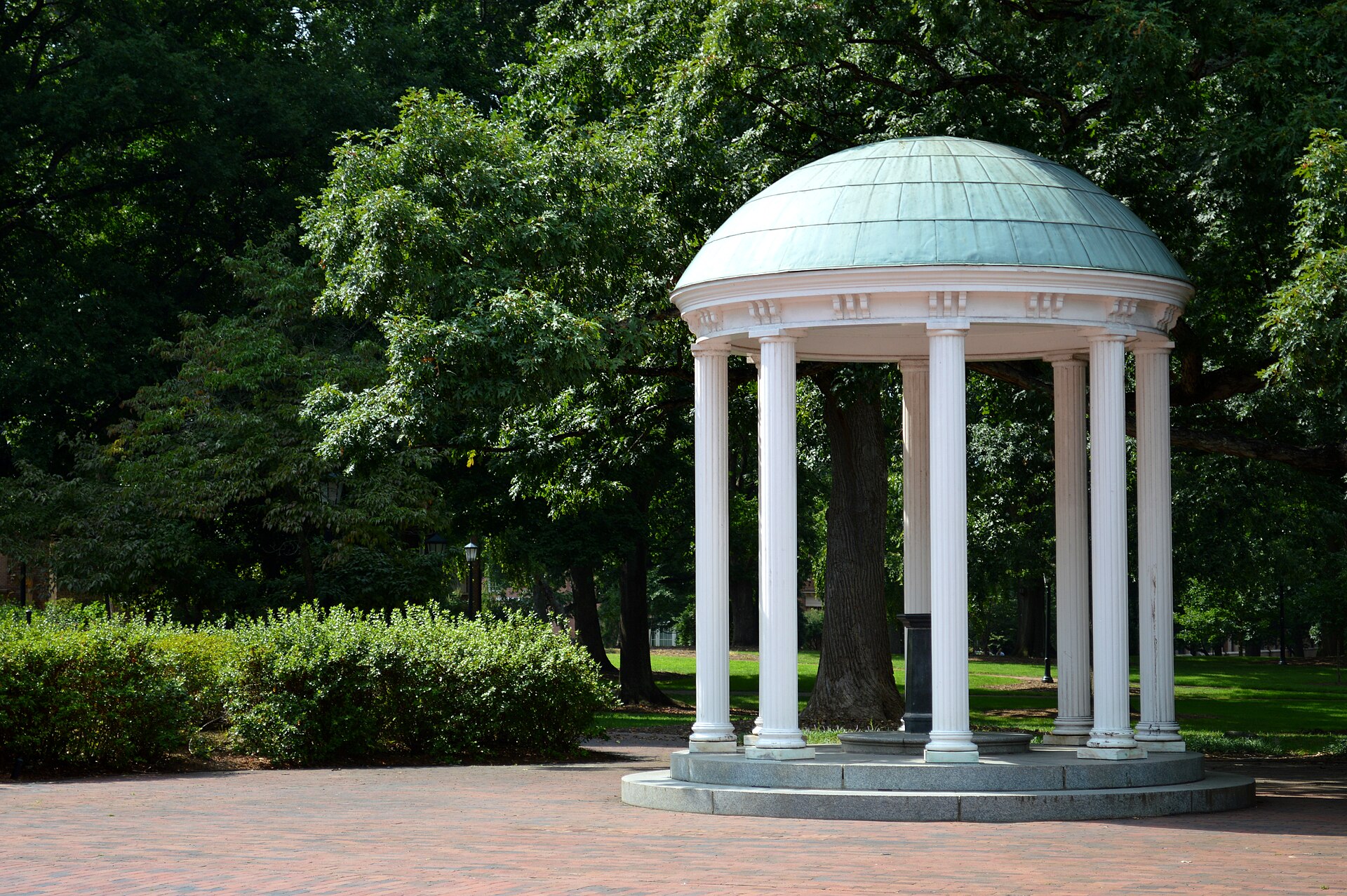
- Franklin Street & the UNC campus — the Old Well, Ackland Art Museum, Morehead Planetarium, the Varsity Theatre and restaurants from Lantern to Sutton’s Drug Store
- North Carolina Botanical Garden & Carolina North Forest — the 1,100-acre garden and the forest trail network on the north side of town
- Southern Village & Meadowmont village centers — the two planned communities with their own greens, restaurants, groceries, pools and summer movie nights
- University Place, Eastgate & Village Plaza — the redeveloped mall and the Elliott Road shopping centers with Trader Joe’s and Whole Foods that serve as the town’s practical center
Schools & Education
Chapel Hill is served by Chapel Hill-Carrboro City Schools, consistently among the top-ranked public school districts in North Carolina and the single biggest reason families pay the town’s prices and taxes. The district runs three high schools, Chapel Hill High, East Chapel Hill High and Carrboro High, four middle schools (Phillips, Culbreth, Smith and McDougle) and eleven elementaries including Ephesus, Estes Hills, Glenwood, Rashkis, Morris Grove, Northside and Seawell. Assignment is by address; homes with Chapel Hill addresses in Chatham County attend Chatham County Schools instead, which matters for buyers in Governors Club, Briar Chapel and the US-15-501 corridor. Durham Academy, Carolina Friends School and Emerson Waldorf are the main private options. We confirm the district and assignment for any specific address before you write an offer.
Getting Around
Chapel Hill sits at the western point of the Triangle on US-15-501 and NC-54, with I-40 along its north edge. Downtown Durham and Duke are 20 to 25 minutes, Research Triangle Park 20 to 25 on NC-54 or I-40, RDU airport 25 to 30, and downtown Raleigh 35 to 45 depending on traffic. UNC Hospitals and campus are 5 to 15 minutes from anywhere in town. Chapel Hill Transit is fare-free and runs frequent service through campus and most neighborhoods, which is why many households here keep one car. The Bolin Creek and Morgan Creek greenways connect several neighborhoods to campus and downtown.
Nearby New Construction
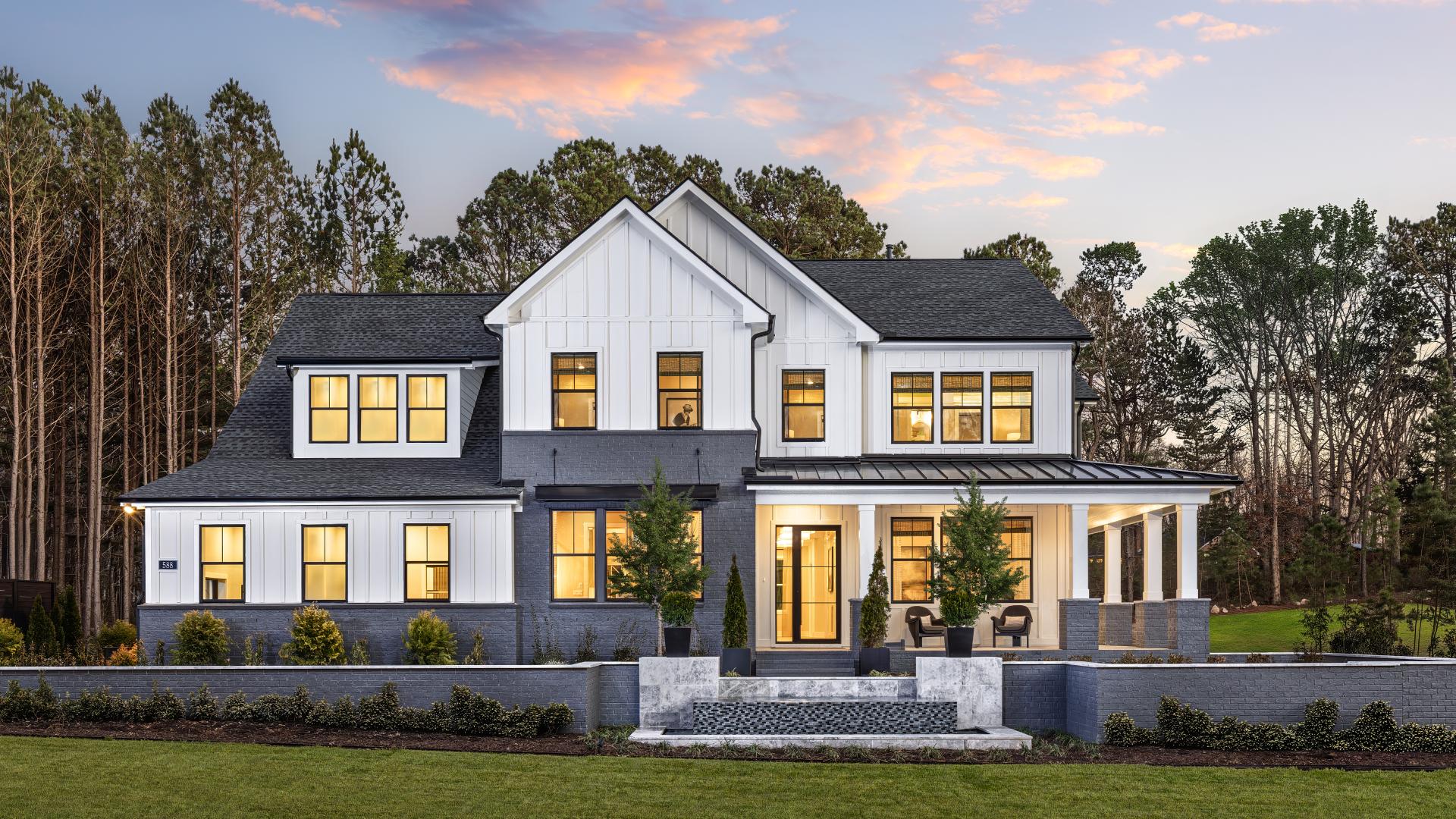
Chapel Hill proper has very little new construction beyond infill custom homes, teardown rebuilds in the mid-century neighborhoods and a few small townhome and condo projects near downtown and along Martin Luther King Jr. Boulevard. Almost all new-community building with a Chapel Hill address is in Chatham County along US-15-501: the final phases of Briar Chapel, the custom lots in Governors Club, and Chatham Park in Pittsboro 20 minutes south, where David Weekley, Homes by Dickerson, Garman Homes and Tri Pointe are building. Those communities offer a new home at $100 to $200 less per square foot than Chapel Hill resale, with Chatham County schools and taxes. See our Triangle new-construction builder pages.
Frequently Asked Questions
Photos: Mx. Granger (CC0), yeungb (CC BY 3.0), Jerrye & Roy Klotz, MD (CC BY-SA 3.0) via Wikimedia Commons; builder community photography courtesy of the builders shown