No. North Carolina law states that a previous occupant’s death or serious illness in the home is not a material fact, so you are not required to volunteer it when you sell. What the same law does not let you do is knowingly make a false statement about it if a buyer asks you directly.
This question comes to us most often from two kinds of sellers. The first inherited a house where a parent died at home, usually in hospice, and wants to know whether that has to go on a form. The second is selling a house where something worse happened, and is worried the sale is about to become a public conversation. The legal answer is the same for both, and it is narrower than most people expect.
What does North Carolina law actually say?
The controlling language is North Carolina General Statute 39-50, titled “Death, illness, or conviction of certain crimes not a material fact.” It reads that in offering real property for sale, it shall not be deemed a material fact that the property was occupied previously by a person who died or had a serious illness while occupying the property, or that a person convicted of a crime requiring sex offender registration occupies, occupied, or resides near the property. Then it adds the proviso that no seller may knowingly make a false statement regarding any such fact. The statute dates to 1989 and was amended in 1998.
Two things follow from that sentence. One, you have no affirmative duty to bring it up, and neither does your agent, because the law has decided it is not a material fact. Two, the moment a buyer asks, the shield stops working. Saying no one ever died here when someone did is a knowing false statement, and that is the part of the statute sellers tend to miss.
Does the North Carolina disclosure form ask about it?
It does not. The Residential Property and Owners’ Association Disclosure Statement that North Carolina requires on most residential resales is built from the list in General Statute 47E-4, and that list is about the building and the land: water supply and sewage disposal, roof and structural components, plumbing, electrical, heating and cooling, wood-destroying insects, zoning and restrictive covenants and government notices, and environmental items such as lead paint, asbestos, radon, methane, underground storage tanks and other contamination. There is no line for a death, an illness, or anything that happened to a person in the house.
What the form does do is give you three answers for every question: yes, no, or no representation. We bring this up because sellers who are nervous about one thing often decide to check “No Representation” down the whole form as cover. That is a mistake, and not because it is illegal. Overusing it can spook buyers into ordering more inspections than they otherwise would, and in a market where the typical New Hanover County home now takes 61 days to go under contract, against 34 days a year ago, per our New Hanover County market update for the three months ending September 2026, you do not want to hand a buyer a reason to slow down.
- A prior occupant’s death or serious illness is not a material fact in a North Carolina sale N.C. General Statute 39-50, enacted 1989, amended 1998
- No seller may knowingly make a false statement about such a fact N.C. General Statute 39-50
- The required state disclosure statement covers the property’s characteristics and condition, listed in six categories, none of which concerns a death N.C. General Statute 47E-4
- New Hanover County median sale price $464,000, 61 days on market, 1,251 active listings Tidal Realty Partners New Hanover County market update, three months ending September 2026
When do we tell Wilmington sellers to disclose anyway?
More often than the statute requires, and for practical reasons rather than legal ones.
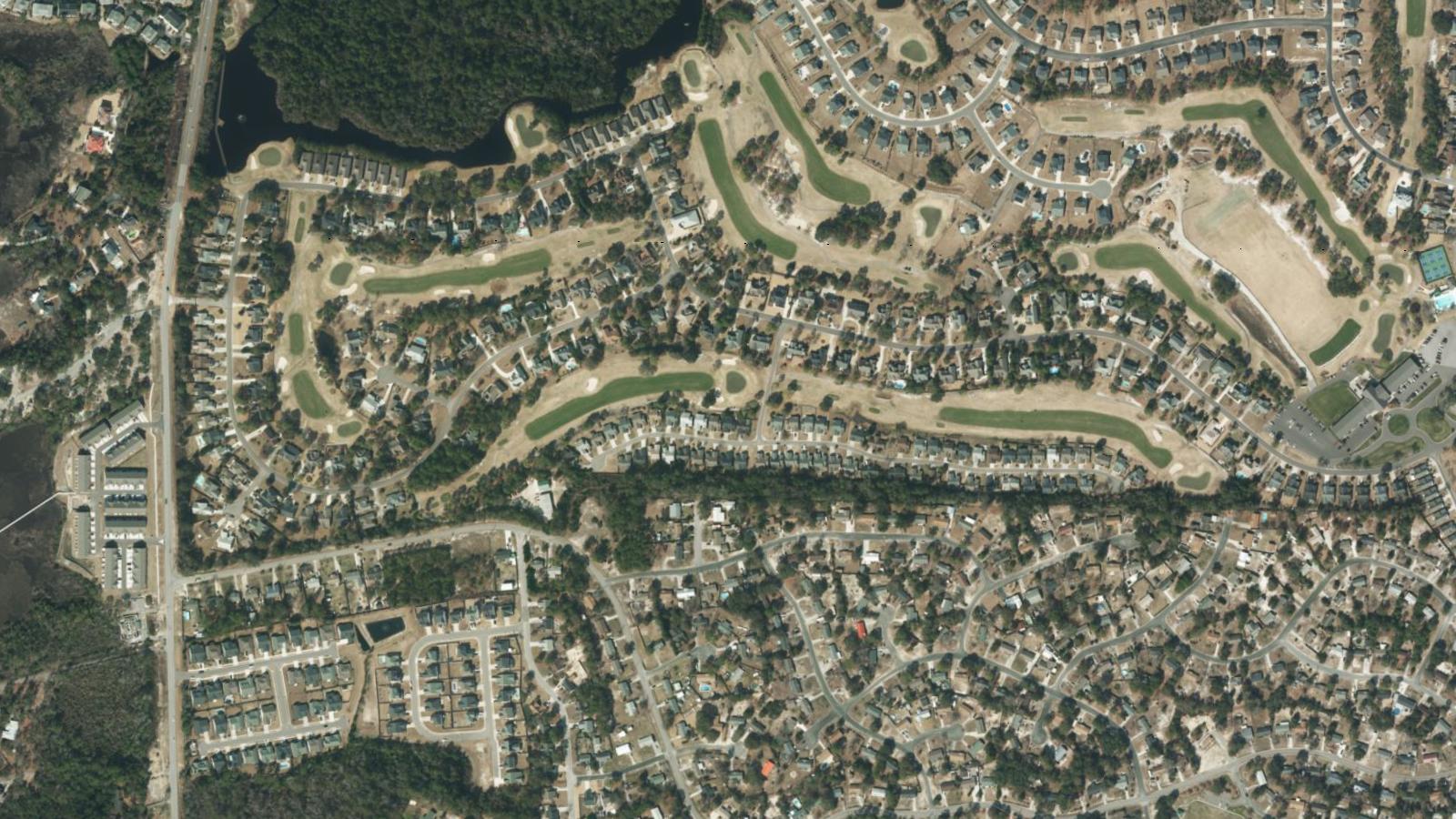
The first is that the Wilmington area is not anonymous. In the beach towns and the gated retirement communities, Carolina Beach, Kure Beach, Oak Island, St. James Plantation, Brunswick Forest, people know the street and they talk to buyers at the mailbox. If a death in the house was unusual enough to have been news or neighborhood conversation, a buyer will often hear it from someone who is not you, and will hear it with whatever embellishment three retellings add. Getting in front of a story you control is better than answering a story you do not.
The second is the out-of-state buyer. Our market runs heavily on buyers from the Northeast, Ohio and Florida, and some of them come from states with stricter stigmatized-property rules than North Carolina has. A buyer from a state where the seller would have had to disclose can react badly to finding out later, even when nothing improper happened here. We would rather lose that buyer in week one than lose them during due diligence.
The third is the thing that often travels with a death: condition. A long illness in the home can mean a period of deferred maintenance, a ramp bolted to a porch, grab bars, a stair lift, a room converted for medical equipment, sometimes an unpermitted change made in a hurry. Those are condition and permitting issues, and they are squarely material. The death is not what you have to disclose. The unpermitted bathroom remodel downstairs is.
One more practical note for sellers who are weighing how much to say. If the house also has a flood or water history, that is a different question with a different answer, and we wrote it up separately in whether you have to tell buyers your house flooded in NC. Flooding is about the condition of the property, which is exactly what the state form is built to capture.
What happens if a buyer asks you directly?
Answer truthfully, or decline to answer. Those are the two safe options, and a seller is allowed to take the second one. Your agent can tell a buyer’s agent that the seller is making no representation on the subject. That is not a false statement, and it is not a disclosure either.
What we will not do, and what no North Carolina broker should do, is say something untrue on a seller’s behalf. Brokers in this state carry their own duty to disclose material facts they know about, separate from the seller’s form, and failure to disclose material facts is one of the most common reasons brokers face complaints with the North Carolina Real Estate Commission. A licensee who lies about a stigma does not get protection from General Statute 39-50 either, because the statute’s proviso is about knowingly false statements, not about who makes them.
If the death was violent or made the news, tell your listing agent everything before the house goes on the market. We would rather build the pricing plan around a fact we know than hear it from a buyer’s agent after we are under contract.
Two edges are worth naming. First, “not a material fact” is not the same as “cannot cost you anything.” A stigma can still cost real money in a market where buyers have choices, and in a county with 1,251 active listings as of our September 2026 market update, they do. Second, a death can come bundled with things that genuinely must be disclosed and are easy to confuse with it, including methamphetamine contamination, water damage from a long-unoccupied house, or a repair done without a permit. If you are not sure which side of the line your situation falls on, that is a question for a North Carolina real estate attorney rather than for your agent, and we will say so rather than guess. And if you are the buyer and this matters to you, the honest answer is that you have to do the asking, because in North Carolina no one is required to start the conversation for you.
Related questions people also ask
Do I have to disclose a suicide or a murder in the house in North Carolina?
North Carolina General Statute 39-50 makes no distinction based on how a prior occupant died, so a death is not a material fact you must volunteer regardless of the cause. The same statute still forbids a seller from knowingly making a false statement about it, so a direct question has to be answered truthfully or not at all. In practice, many sellers in that situation choose to disclose anyway, because a violent death is the kind of fact a neighbor or a news archive is likely to surface during the buyer’s due diligence period.
Does a death in the house have to be disclosed if I am selling an inherited home?
No, and in many inherited sales the state disclosure statement itself does not apply, because General Statute 47E-2 exempts transfers by a fiduciary administering a decedent’s estate. That exemption is about the form, not about honesty, so the rule against knowingly false statements still applies to anything you do say. The bigger disclosure questions in an inherited sale are usually about the condition of a house that sat empty, including the roof, the heating and cooling system and any plumbing that went unused.
Can a buyer find out whether someone died in a house in Wilmington?
Sometimes, but not reliably, and not from any official county record built for that purpose. Obituaries, old news coverage and neighbors are the usual routes, and third-party websites that sell death-history reports draw on incomplete data and should not be treated as authoritative. If the answer matters to your decision, ask the question in writing during due diligence and accept that a seller is entitled to decline to answer.
Before your house goes on the market, make a list of everything about it you would not want a buyer to learn from someone else, then sort that list into what the state form actually asks about and what it does not. We do that sort with sellers in one sitting, and it is the cheapest hour in the whole sale. Bring us the awkward version of your situation and we will tell you plainly where the line sits.
Sources: North Carolina General Statute 39-50, Death, illness, or conviction of certain crimes not a material fact, read November 7, 2026; North Carolina General Statute 47E-4, Required disclosures, read November 7, 2026; North Carolina General Statute 47E-2, Exemptions, read November 7, 2026; Tidal Realty Partners New Hanover County market update, three months ending September 2026.